








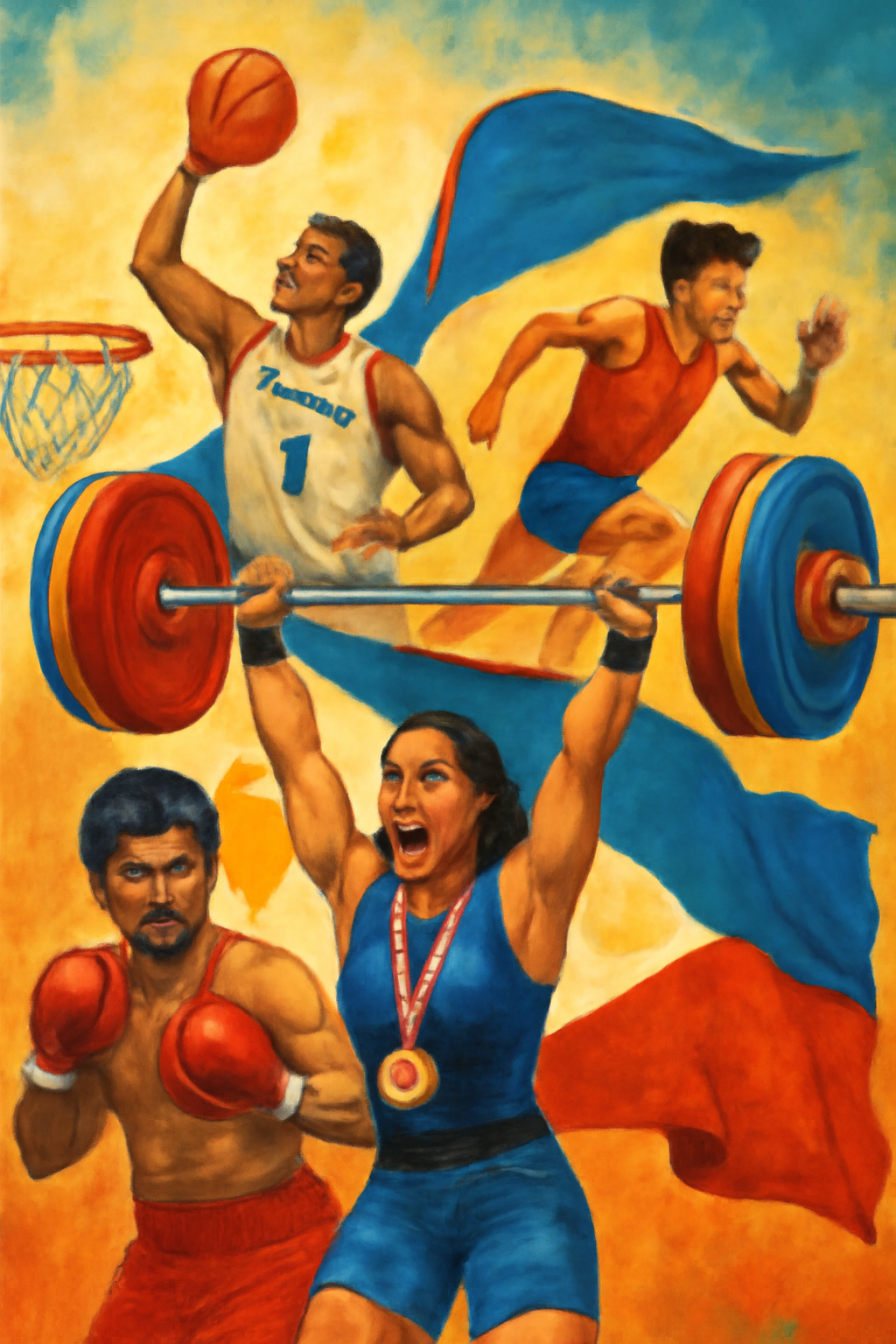
The Philippines has a rich sporting culture, with athletes continually striving to make their mark on the international arena. Over the years, Filipino athletes have demonstrated exceptional skill, determination, and resilience, achieving remarkable successes across various sports. However, their journey to global recognition has been met with challenges that go beyond athletic performance, encompassing issues like funding, infrastructure, and systemic support.
One of the most significant achievements for Filipino athletes in recent years is the Philippines’ success in the Olympic Games. In 2021, weightlifter Hidilyn Diaz made history by winning the country’s first-ever gold medal at the Tokyo Olympics, ending a 97-year wait for this prestigious victory. This landmark win highlighted the raw talent and potential that exists within the Filipino sporting community. Additionally, the Philippines has seen consistent success in sports such as boxing, with athletes like Manny Pacquiao gaining international acclaim. Pacquiao’s legendary boxing career has not only brought pride to the country but has also helped raise the profile of Filipino athletes worldwide.
Beyond individual accomplishments, the Philippines has also made significant strides in team sports. The Philippine men’s basketball team, for instance, has had a long history of success in Southeast Asia, consistently performing well in regional competitions such as the Southeast Asian Games (SEA Games). The country’s basketball scene has gained prominence through the Philippine Basketball Association (PBA), which is one of the oldest professional basketball leagues in Asia.
However, these achievements have not come without challenges. One of the biggest hurdles Filipino athletes face is the lack of adequate funding and resources. While some athletes have managed to secure sponsorships, the country’s sports infrastructure remains underdeveloped compared to other nations. Many athletes, particularly in less mainstream sports, lack access to proper training facilities, equipment, and coaching.
Moreover, despite the widespread popularity of basketball in the Philippines, other sports struggle to gain the same level of attention and support. Sports such as athletics, swimming, and gymnastics often do not receive the same media coverage, making it harder for athletes in these fields to gain recognition and support. This lack of attention can deter young athletes from pursuing sports professionally, as the potential for success in these disciplines seems limited.
Another challenge lies in the need for more efficient systems to scout and develop young talent. While the Philippines has a significant pool of talented individuals, there is often a lack of structured development programs, especially in rural areas. Identifying and nurturing talent from a young age is crucial for long-term success on the international stage.
Despite these hurdles, Filipino athletes continue to push the boundaries of excellence, proving that passion and determination can overcome significant obstacles. With more investments in sports development, better infrastructure, and a more inclusive approach to promoting various sports, the Philippines has the potential to become a powerhouse in the global sporting arena.