




Vietnam, a country that has undergone remarkable economic transformation since the 1980s, is increasingly impacted by globalization. The rapid integration of global markets and cultures is reshaping the social fabric of the nation, influencing everything from family structures to consumption patterns. The forces of globalization are both an opportunity for growth and a challenge to traditional Vietnamese values.
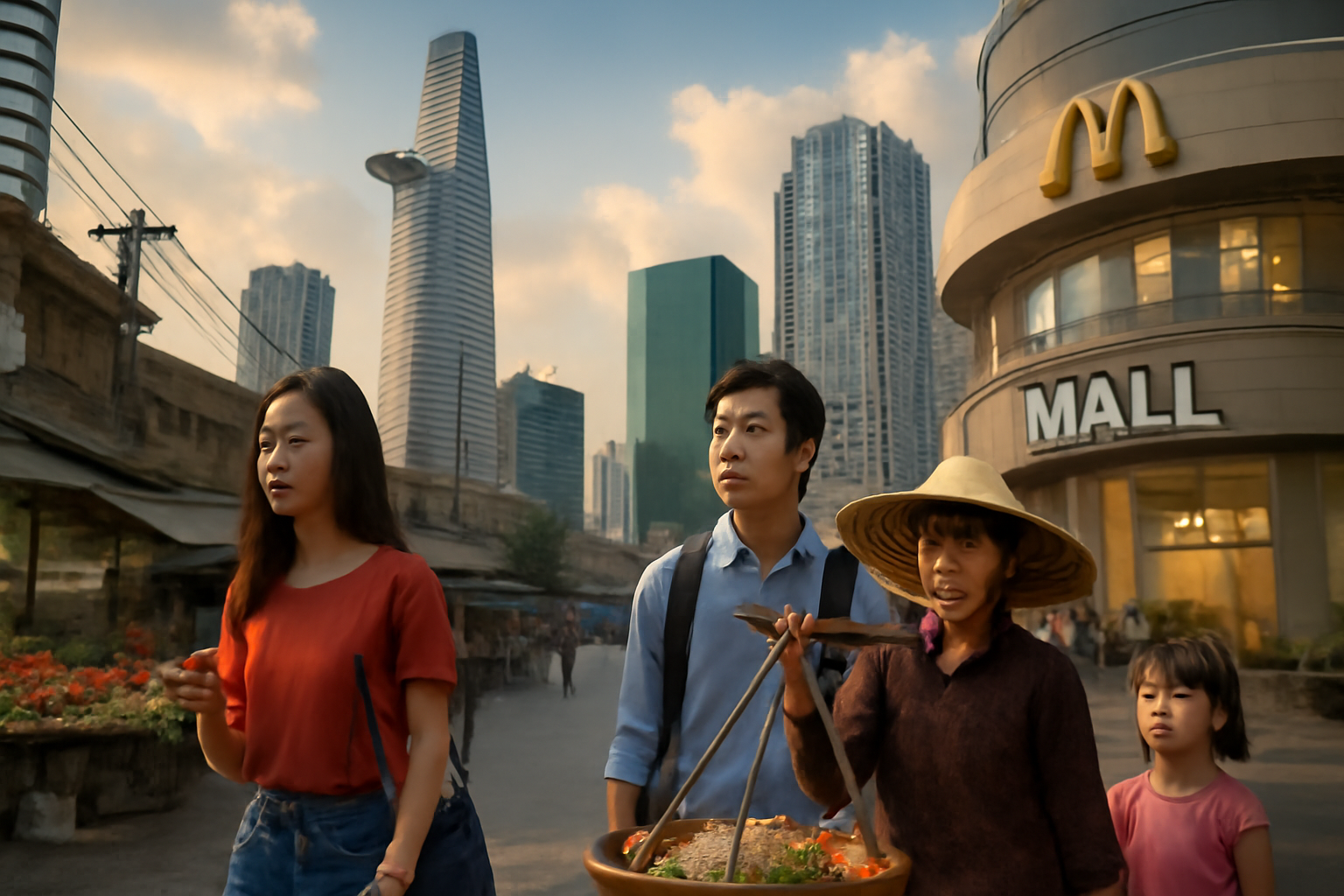
One of the most visible changes in Vietnamese society is the rise of urbanization. Major cities like Hanoi and Ho Chi Minh City are rapidly expanding, with new infrastructures, skyscrapers, and malls dotting the skyline. This urban growth is largely driven by foreign investments and multinational companies, which bring in new technologies, industries, and ways of working. As more people migrate to cities for job opportunities, the rural-urban divide deepens, creating new social dynamics.
Globalization also plays a significant role in shifting Vietnam’s consumption habits. In the past, traditional markets were the central hub for local commerce, but now, global brands and multinational retailers have found a steady foothold. Vietnamese consumers are increasingly drawn to international brands, reflecting broader cultural shifts towards Western lifestyles. This trend has led to an increased demand for products like fast food, electronics, and luxury goods, which were previously out of reach for most citizens.
Socially, globalization has introduced new ideas around gender roles, individualism, and family structures. Traditional Vietnamese society was deeply influenced by Confucian values, emphasizing collective well-being and familial duty. However, exposure to Western ideals has resulted in a more individualistic mindset, particularly among younger generations. This shift has led to evolving family dynamics, with a growing number of young people prioritizing personal careers and self-expression over traditional obligations.
Another area significantly impacted by globalization is education. The desire to keep up with global standards has led to a growing emphasis on English language proficiency and international curricula. Students are increasingly pursuing higher education abroad or participating in exchange programs, allowing them to experience different cultures and gain diverse perspectives. This exposure not only enhances their employability but also helps foster a generation of young people with a more global outlook.
Despite these advancements, the rapid pace of globalization in Vietnam also comes with challenges. The clash between modernization and tradition is palpable, particularly in rural areas where people may resist changes to their way of life. Additionally, the growing influence of global culture has led to concerns over cultural erosion and the loss of Vietnam’s rich cultural heritage. Balancing these forces is one of the most pressing issues the country faces as it continues to navigate its place in the global arena.