




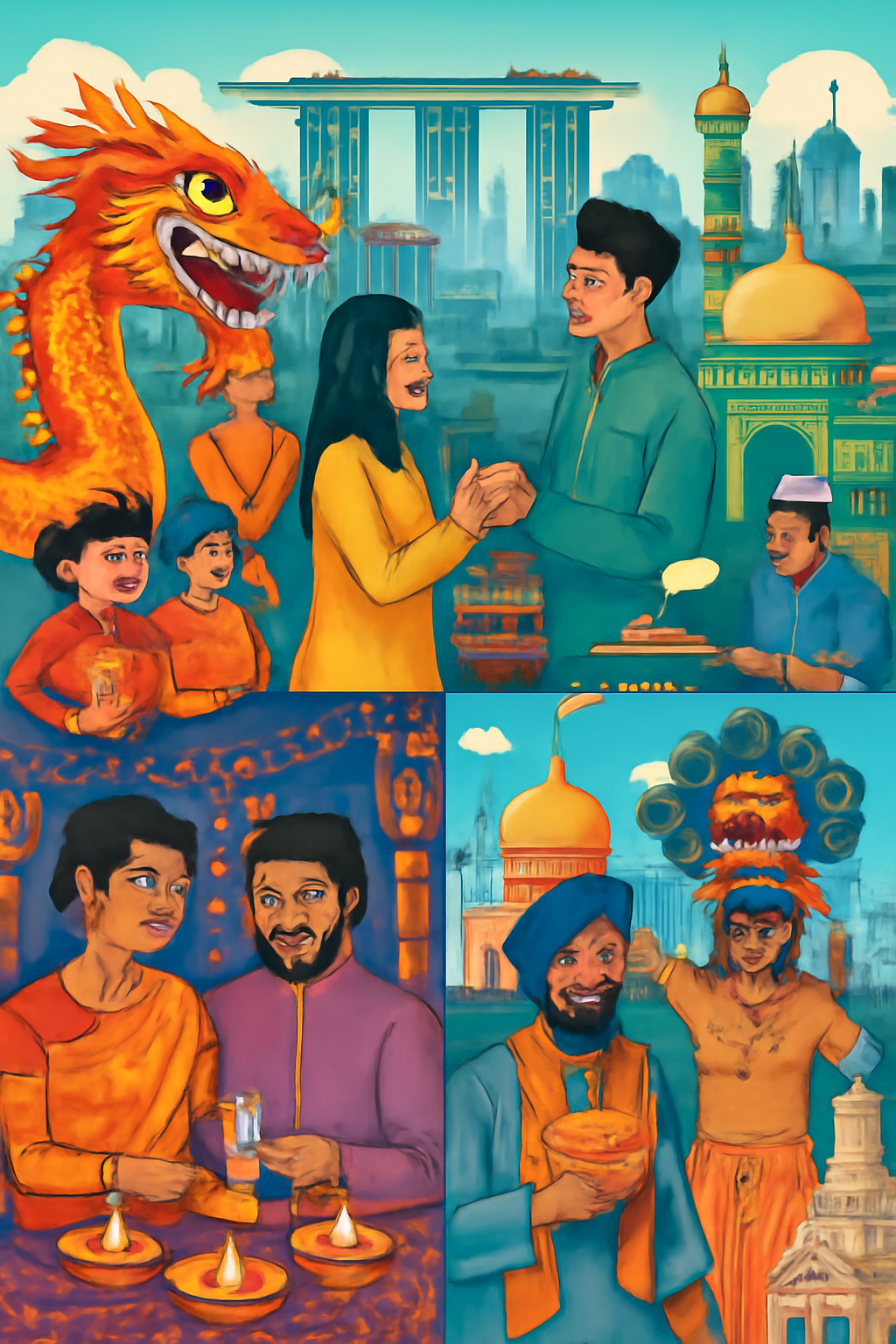
Singapore, with its reputation as a global city, is also known for its cultural diversity, a facet that is clearly showcased through the many festivals celebrated across the island. Each festival, observed by various ethnic groups, serves as a reminder of the city-state’s rich traditions and heritage. These festivals offer an immersive experience into the diverse practices, rituals, and values upheld by Singapore’s different communities, contributing to the nation’s unique identity.
Among the most widely celebrated events is Chinese New Year, a festival that holds deep significance for the Chinese community. The start of the lunar new year is marked by family reunions, traditional meals, and rituals designed to ensure prosperity and luck for the coming year. During this time, Singapore’s streets come alive with vibrant red decorations, symbolizing happiness and good fortune. The Chingay Parade, one of the largest street performances in Asia, is a dazzling celebration featuring costume parades, dragon dances, and fireworks that encapsulate the spirit of multiculturalism in Singapore.
For the Malay Muslim community, Hari Raya Puasa is a key festival marking the end of Ramadan, the Islamic holy month of fasting. This joyous occasion is celebrated with prayers, feasts, and family gatherings. Geylang Serai, a culturally significant district in Singapore, becomes a bustling hub of activity during Hari Raya, with vibrant bazaars selling traditional foods like satay, rendang, and ketupat. The festival is a time for sharing, reflection, and a reaffirmation of faith and unity.
In contrast, Deepavali, also known as the Festival of Lights, is celebrated by Singapore’s Hindu community. The festival is symbolic of the triumph of good over evil, and it is marked by the lighting of diyas (oil lamps) and colorful decorations. During Deepavali, Singapore’s Little India district transforms into a spectacular sight, with streets adorned with intricate light displays and bustling markets. Families enjoy traditional sweets such as laddu and barfi, while visiting temples for prayers and offerings.
The Vaisakhi festival, celebrated by Sikhs, marks both the harvest season and the founding of the Khalsa in 1699. Vaisakhi holds great spiritual significance, and the celebrations in Singapore include prayers at Gurdwaras and the sharing of langar (a communal meal). This festival highlights the Sikh values of equality, selflessness, and service to others. The celebration fosters a sense of community, as Sikhs open their doors to people of all faiths and backgrounds, inviting them to partake in the festivities.
Another noteworthy festival is Thaipusam, observed by Hindus in honor of Lord Murugan. The festival involves devotees engaging in acts of devotion, such as carrying kavadis—ornate structures—during a grand procession from the Sri Srinivasa Perumal Temple to the Sri Thendayuthapani Temple. Thaipusam is a striking spectacle, with participants demonstrating physical endurance as acts of spiritual devotion and penance.
These festivals are more than just religious celebrations; they embody the cultural values and community spirit of the people who celebrate them. Whether it’s the joy of family reunions during Chinese New Year, the gratitude and giving of Hari Raya Puasa, or the community-driven Vaisakhi celebration, Singapore’s festivals showcase the country’s unique blend of cultures and foster mutual respect among its people.