



The Philippines has embarked on an ambitious transformation of its health sector through the Universal Health Care (UHC) Act, which seeks to enroll all Filipinos into a national system and strengthen primary care. At the heart of this framework is PhilHealth, the national health insurer tasked with expanding financial protection and standardizing benefits across service levels. The goal is simple: fewer people pushed into poverty by medical bills and more timely care at the community level.
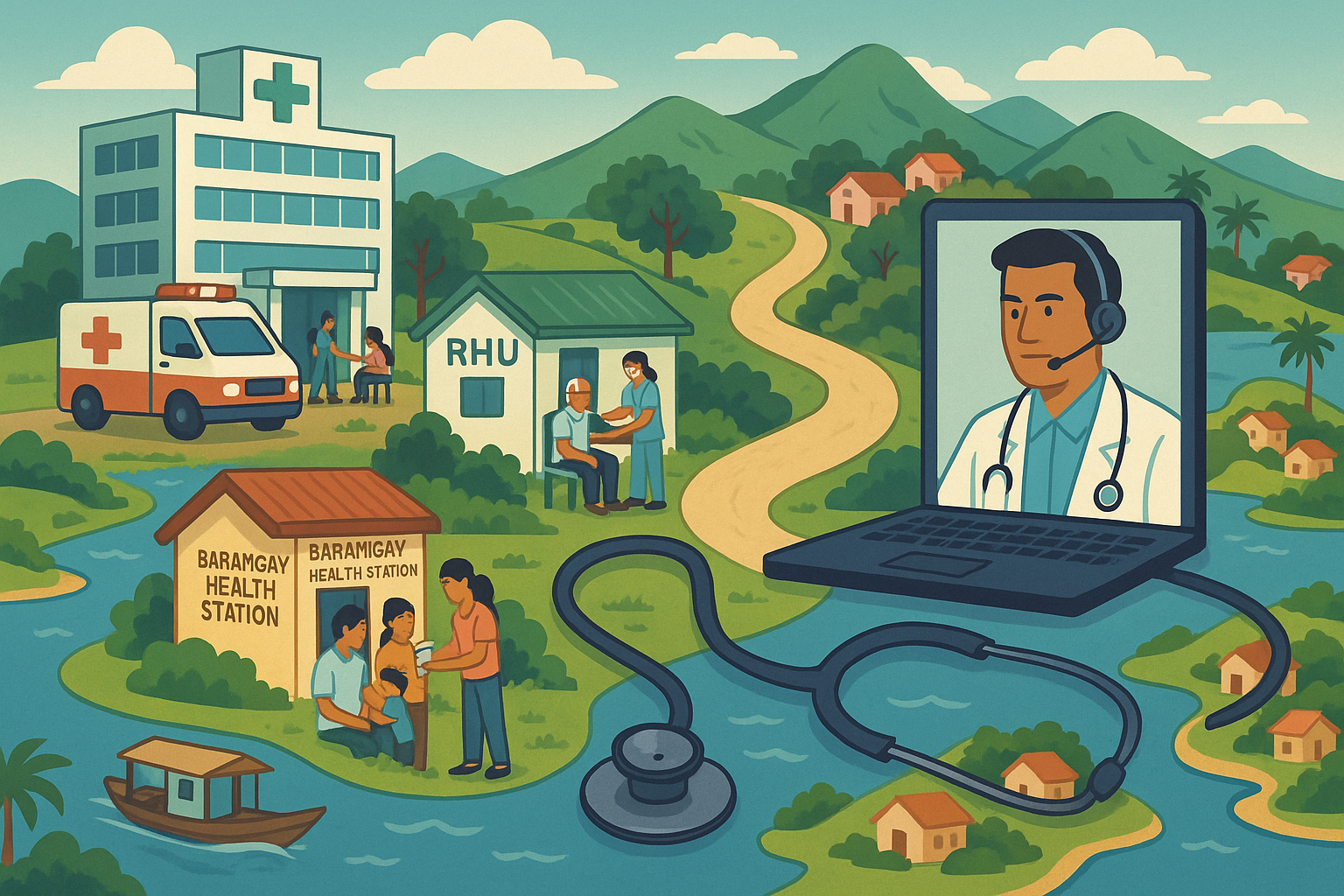
Yet access remains uneven. Geography alone imposes steep barriers: many communities are dispersed across thousands of islands, with isolated barangays relying on seasonal roads or boat transport to reach care. Rural residents often begin their journey at Barangay Health Stations and Rural Health Units, which—while crucial—vary widely in staffing, diagnostics, and drug availability. Urban centers have more specialists and hospitals, but overcrowding and long waits are common.
Financing is a second stumbling block. Despite broader coverage, households still report significant out-of-pocket spending, especially on medicines, diagnostics, and specialist consultations. PhilHealth case rates and primary care benefits have grown, but reimbursement delays, limited provider participation, and variability in benefit awareness dilute impact. For chronic conditions like diabetes or hypertension, recurring costs for labs and maintenance drugs can strain family budgets.
Human resources for health complicate the picture. Filipino nurses and other professionals are globally sought after, creating persistent domestic shortages. Compensation disparities, uneven distribution, and heavy workloads contribute to burnout and turnover. Task-sharing with barangay health workers helps extend reach, but requires continuous training, supervision, and adequate supplies.
Governance is also fragmented. The Local Government Code devolved many health functions to local governments, resulting in gains in responsiveness but variability in standards. The UHC Act’s push for province- and city-wide health systems and Special Health Funds aims to consolidate purchasing and harmonize protocols, but integration requires strong leadership, data systems, and incentives for collaboration among hospitals, primary care providers, and local governments.
Medicines access remains a pinch point. While the Generics Act improved affordability, stockouts, inconsistent procurement, and brand preferences still drive costs. Efforts to centralize procurement and expand essential drug lists can reduce prices and variability, but depend on logistics performance and timely budgets.
On the positive side, the Philippines has advanced in priority programs—maternal and child health, immunization, tuberculosis, and HIV—through targeted financing and community outreach. The pandemic accelerated telemedicine, e-prescriptions, and digital claims, showing promise for island geographies. Disaster readiness remains vital given frequent typhoons, with mobile clinics and referral pathways proving life-saving when infrastructure is disrupted.
The road ahead involves making primary care the default entry point with robust gatekeeping, building multidisciplinary teams, and ensuring PhilHealth benefits cover the true costs of comprehensive care. Better health information systems, predictable financing, and fair workforce policies can convert legal promises into day-to-day reliability—so that access is not a matter of where one lives or how much one earns.