








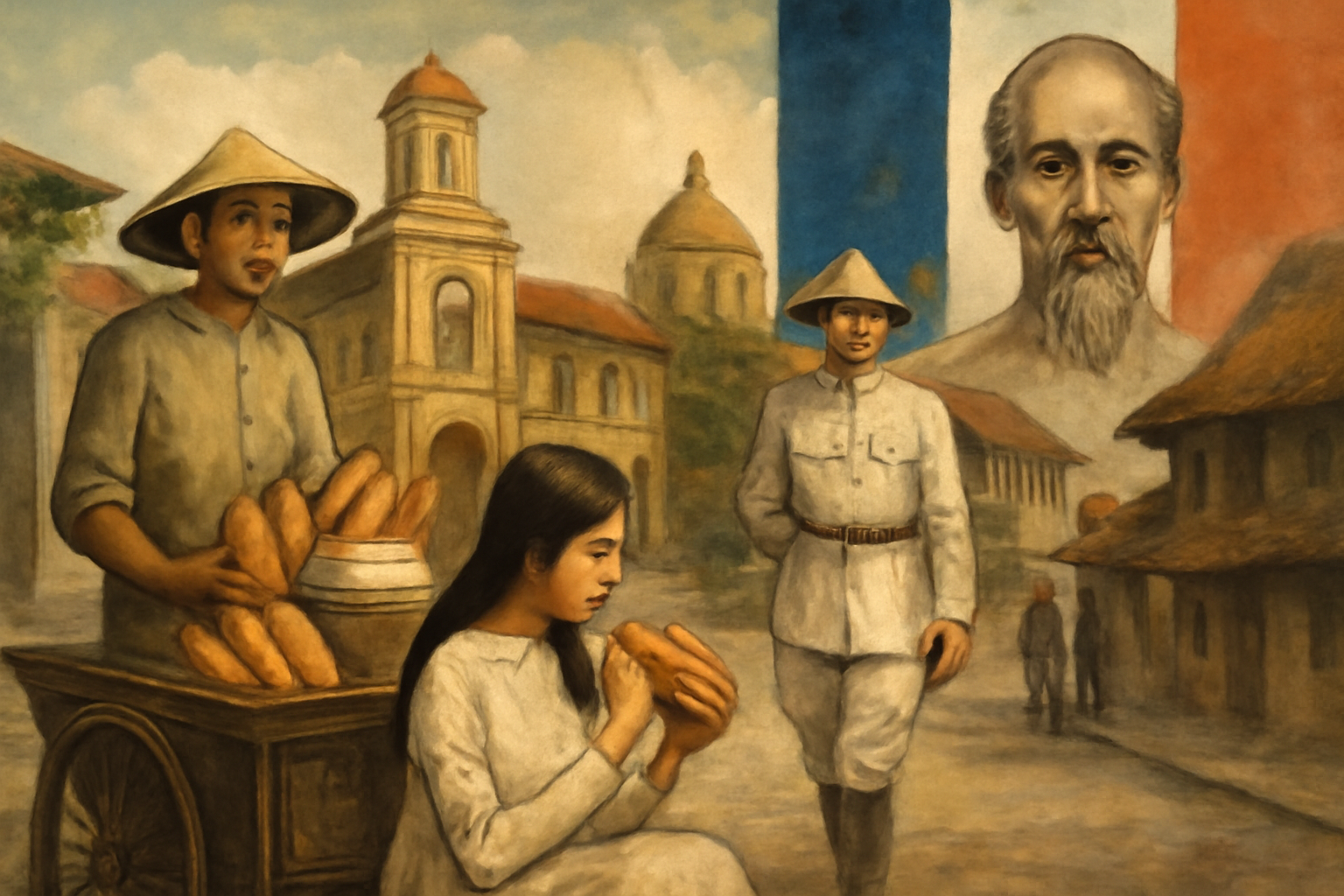
The influence of France in Vietnam began with the colonial era in the 19th century and has left a profound imprint on various aspects of Vietnamese society. The French colonized Vietnam in the mid-1800s, beginning with the conquest of the southern region, and by the late 19th century, the entire country was part of French Indochina. This era, lasting until the mid-20th century, brought significant political, social, and cultural changes to Vietnam, some of which still resonate in the country today.
Politically, the French established a system of governance that was authoritarian and centralized. They imposed a system of direct rule over Vietnam, subordinating the traditional Vietnamese monarchy to colonial administration. The French introduced Western-style legal and educational systems, but these were designed to strengthen their colonial control rather than empower the local population. The French also exploited Vietnam’s resources, primarily rubber, rice, and minerals, for economic gain, often using forced labor.
One of the most lasting impacts of French colonial rule in Vietnam is its influence on Vietnamese culture, particularly in architecture, language, and cuisine. French colonial architecture is still evident in cities like Hanoi and Ho Chi Minh City, where wide boulevards, ornate buildings, and charming villas reflect the French aesthetic. The French also introduced a new system of education, which included the teaching of the French language. Over time, French became a symbol of status and knowledge, and it influenced the development of modern Vietnamese, with many French loanwords still present in the language today.
French cuisine, including baguettes, pastries, and coffee, also took root in Vietnam. The iconic Vietnamese “banh mi,” a baguette sandwich, is a direct product of this cultural exchange. French coffee culture, with its use of condensed milk, is now integral to daily life in Vietnam, particularly in the popular drink, “cà phê sữa đá” (iced coffee with condensed milk).
However, French rule also sparked resistance and nationalist movements in Vietnam. The exploitation and harsh treatment of the Vietnamese people led to growing discontent, culminating in the rise of leaders like Ho Chi Minh. His involvement in the fight for independence, which included both political and military strategies, eventually led to the end of French colonialism in 1954 after the decisive Battle of Dien Bien Phu. The French withdrawal set the stage for the subsequent division of Vietnam and the rise of the Vietnam War.
The legacy of French colonialism in Vietnam is complex, with both positive and negative consequences. While French culture and infrastructure left a lasting mark on the country, the exploitation and oppression of the Vietnamese people during colonial rule cannot be overlooked. The modern relationship between France and Vietnam, however, reflects a mutual respect for shared history and cultural exchange, with France being one of Vietnam’s key partners in trade, education, and diplomacy.