



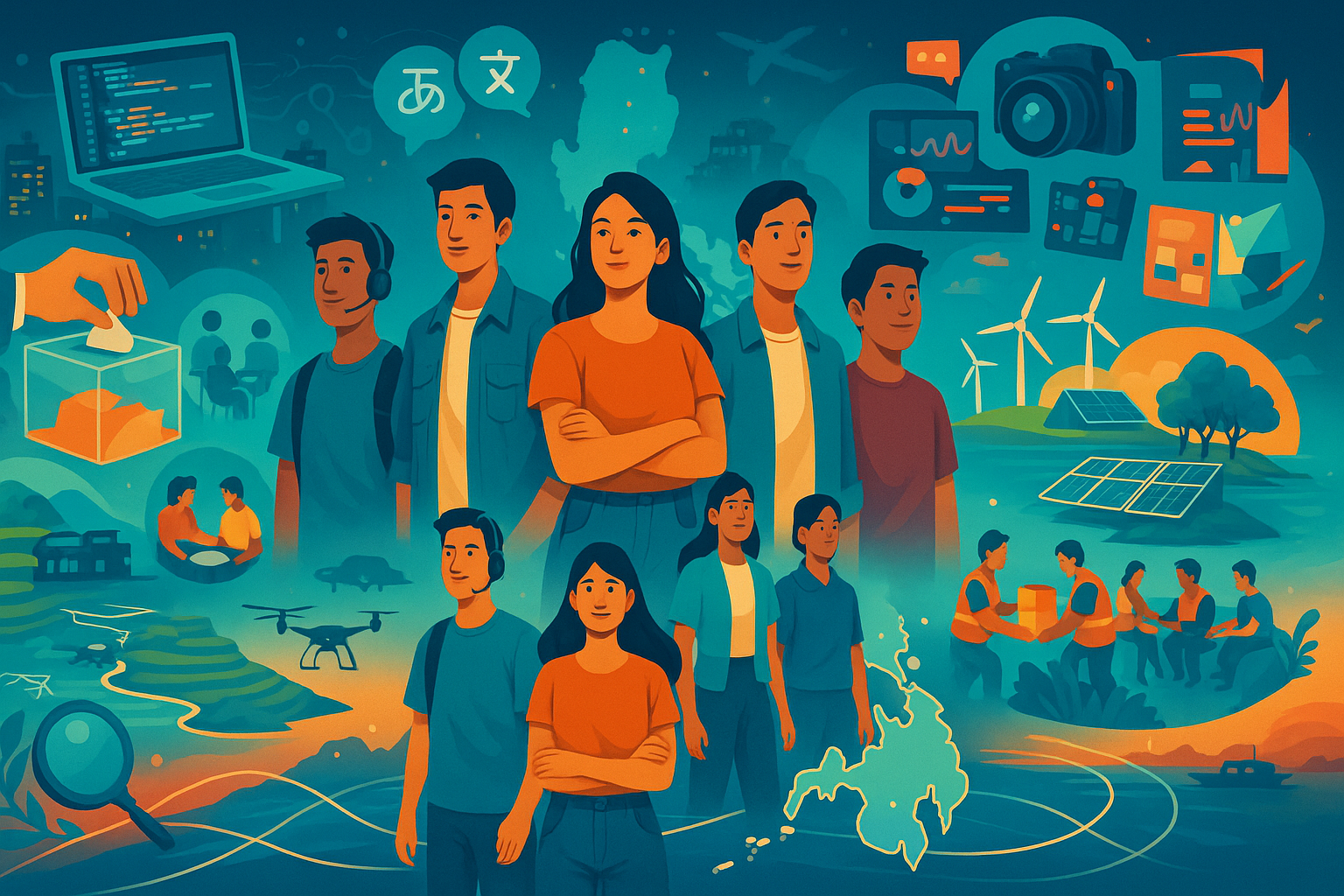
The Filipino youth stand at the intersection of rapid globalization and local realities, navigating a world that rewards agility, creativity, and cross-cultural fluency. One of the clearest advantages Filipino young people bring to this global stage is language versatility—English proficiency combined with regional languages and Filipino fosters access to global knowledge networks. Yet this strength coexists with structural gaps: uneven quality across public and private schools, limited laboratory resources in rural areas, and a persistent digital divide that determines who can participate fully in online learning and remote work.
Employment pressure arguably defines much of the youth experience. Global firms outsource services to the Philippines, providing jobs in customer support, healthcare information management, and IT. These pathways offer mobility but also expose young workers to night shifts, health risks from sedentary work, and contract precarity. At the same time, the rise of AI reshapes entry-level tasks, pushing the youth toward higher-value skills—data analysis, UX, content strategy, cybersecurity, and creative tech. Micro-credentialing and industry-aligned training programs can shrink the skills gap, but affordability and awareness remain barriers.
Migration continues to shape aspirations. Many young Filipinos view overseas work as a route to financial stability, reflecting a long history of labor migration and remittance-driven household economies. This choice can uplift families but also affects community continuity and mental health—especially for children of migrant parents. Strengthening local opportunities through startup ecosystems, agritech, and creative industries can rebalance this equation, offering dignified work without leaving home.
Civic life is vibrant. Youth organizations drive climate action, voter education, and community-based disaster response. The Philippines’ exposure to typhoons and sea-level rise has made climate advocacy both personal and urgent. Still, disinformation ecosystems complicate civic participation, making media literacy and critical thinking essential competencies. School-based programs, youth councils, and partnerships with credible newsrooms can help young people distinguish evidence from propaganda and participate in democratic processes with confidence.
Mental health, once taboo, is now central to youth discourse. Pressure from school, work, and family obligations collides with the always-on culture of social media. While more campuses promote counseling and peer support, services are uneven, particularly outside metropolitan areas. Integrating mental health education into curriculum, training teachers to spot early warning signs, and expanding telehealth can widen access.
Amid challenges, the horizon is bright. Filipino youth are digitally savvy, culturally adaptive, and resilient in crisis. Investments in universal connectivity, scholarships, apprenticeships, and research hubs can amplify these strengths. The same archipelagic reality that complicates logistics can be reframed as a network of niches—each region cultivating unique strengths in tourism, sustainable fisheries, cultural heritage, or renewable energy. Empowering young people to lead these projects transforms globalization from a force to endure into a canvas they can shape.