





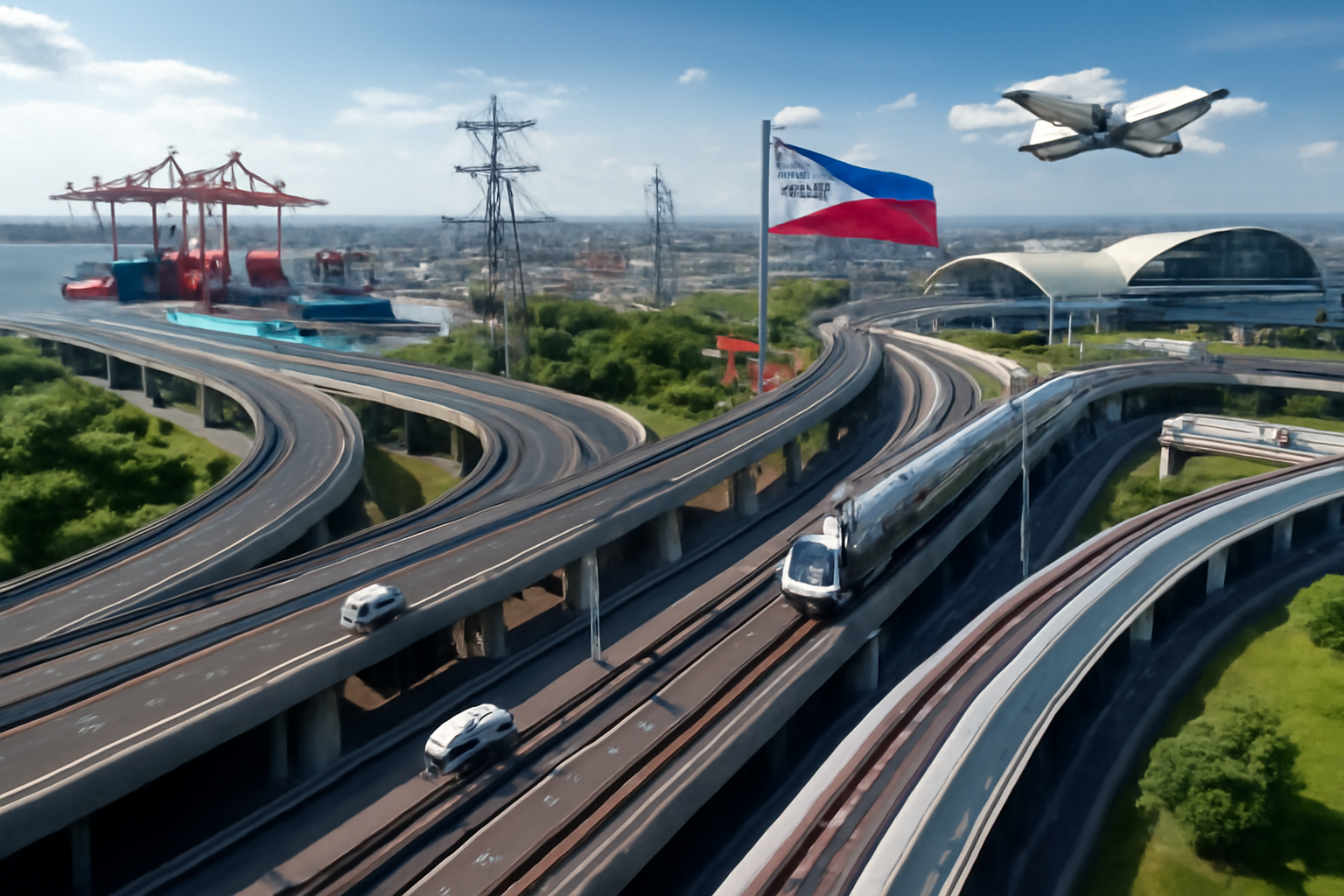
In recent years, the Philippines has been undertaking significant strides in improving its infrastructure, aiming to boost connectivity and mobility across the archipelago. As an archipelagic nation with more than 7,000 islands, the country faces unique challenges in terms of transportation and communication networks. The government, in response to these challenges, has initiated a series of large-scale infrastructure projects designed to modernize the country’s transportation, power, and communication systems. These efforts aim to address long-standing issues, stimulate economic growth, and improve the quality of life for Filipinos.
One of the key components of infrastructure development in the Philippines is the improvement of its road networks. The Build, Build, Build program, launched by the government in 2016, has led to the construction of new expressways, bridges, and highways, making it easier for people and goods to move efficiently across the country. For instance, the Skyway Stage 3 project, which connects the North and South Luzon Expressways, has drastically reduced travel time between Metro Manila and provinces in the northern and southern parts of Luzon.
In addition to road networks, the expansion of airports and seaports has been a priority. The country’s major airports, including Ninoy Aquino International Airport (NAIA), Mactan-Cebu International Airport, and Clark International Airport, have undergone significant upgrades to accommodate the growing demand for air travel. New airport terminals, improved passenger services, and better air traffic control systems have been implemented to enhance the overall travel experience. Similarly, the development of seaports such as those in Batangas, Davao, and Cagayan de Oro helps facilitate smoother transport of goods, vital for the nation’s trade and economy.
Railway development has also become a focus of the Philippines’ infrastructure initiatives. The government has been working on expanding both urban and intercity rail systems. The Metro Manila Subway, which is currently under construction, promises to significantly alleviate traffic congestion in the national capital region. Additionally, the North-South Commuter Railway (NSCR) project, once completed, will connect Metro Manila with nearby provinces such as Bulacan, Pampanga, and Laguna, easing the daily commute for millions of Filipinos.
The improvements in transportation infrastructure are also closely linked to the country’s energy and digital infrastructure. To support these systems, the Philippines is investing in renewable energy sources, as well as expanding its telecommunications network to ensure better connectivity. For example, the construction of more reliable power grids and the expansion of internet access to remote areas is key to supporting not just transportation but also the wider needs of a growing population.
The overall aim of these infrastructure projects is to improve the ease and cost-effectiveness of moving goods, services, and people across the country. For businesses, these projects open new opportunities for growth and market expansion, while for the public, they provide better access to essential services, job opportunities, and a higher quality of life.
However, challenges remain. The Philippines still faces issues such as traffic congestion, particularly in urban centers like Metro Manila, and natural disasters, which can disrupt infrastructure progress. Additionally, there are concerns about the environmental impact of some projects, especially those that require significant land use changes. The government must balance infrastructure development with sustainability to ensure long-term benefits for the country.
As the Philippines continues to develop its infrastructure, the improvements in connectivity and mobility will play a crucial role in the nation’s growth. Whether through better roads, upgraded airports, or more efficient railways, these projects are transforming the country into a more integrated and accessible place for both locals and international visitors.