





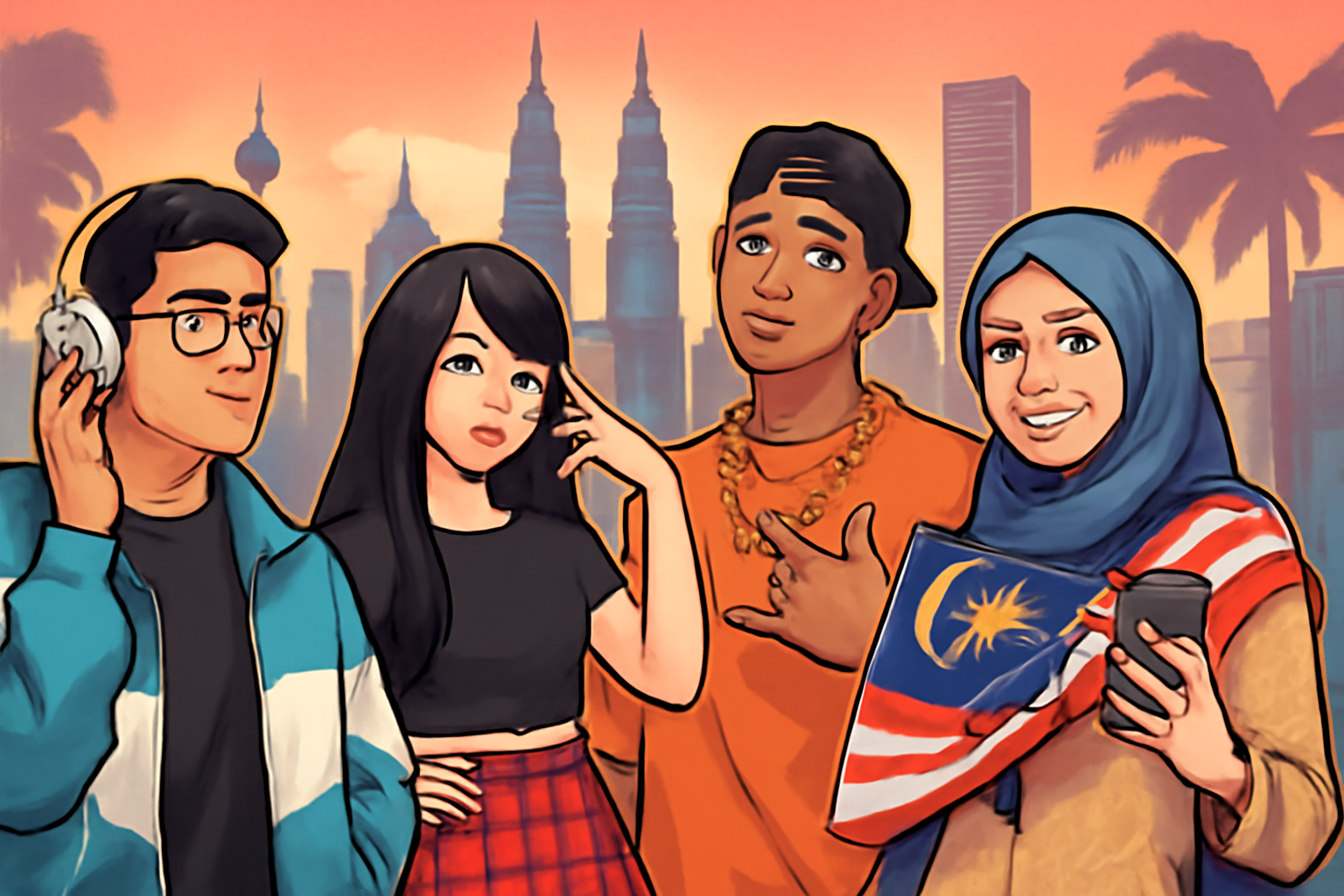
In recent decades, Malaysia’s pop culture has emerged as a unique blend of global influences and local traditions. The younger generation, especially, has been increasingly shaped by the convergence of music, films, and fashion, creating a dynamic cultural landscape. This fusion of Western, local, and Asian elements has significantly impacted Malaysian youth, forging new identities and evolving social trends.
Music as a Cultural Connector
Music has always been a powerful medium for cultural exchange, and in Malaysia, it plays a central role in shaping youth culture. The Malaysian music scene is a melange of genres that includes local styles such as traditional Malay music, Chinese ballads, and Tamil melodies, alongside global influences like K-pop, hip hop, and electronic dance music (EDM). In recent years, youth have embraced a wide range of musical styles, creating a musical subculture where genres are no longer confined to ethnic or linguistic boundaries.
One of the most influential aspects of Malaysian music for younger generations is the rise of local pop and indie artists. These artists blend Western musical influences with traditional Malaysian elements, creating a unique sound that resonates with local youth. The success of artists like Yuna, Joe Flizzow, and SonaOne demonstrates how Malaysian artists are not only gaining recognition locally but also garnering international attention. Through music platforms like Spotify, YouTube, and social media, Malaysian youth can now access global hits and share their own creations, forming a vibrant digital music community.
Film: Shaping Youth Identity and Values
Malaysian cinema has also evolved significantly over the years, offering films that reflect the changing attitudes and values of the younger generation. Modern Malaysian filmmakers are blending traditional storytelling with contemporary issues, allowing for the exploration of topics such as identity, race, gender, and social justice. This cultural shift is particularly evident in the films that resonate with young audiences.
Films like “Ola Bola,” a sports drama based on the country’s 1980s football scene, and “KL Zombi,” a zombie comedy, are examples of how Malaysian filmmakers are tapping into local themes while experimenting with global cinematic trends. The rise of online streaming platforms such as Netflix and iFlix has also allowed Malaysian youth to access a wider variety of international films, which broadens their horizons and exposes them to diverse cultural narratives. The influx of international media has further shaped youth perceptions and tastes in film, blending traditional Malaysian cinematic styles with global storytelling techniques.
Fashion: The Expression of Identity
Fashion has long been an essential aspect of pop culture, and in Malaysia, it plays an important role in expressing individuality and social status. The younger generation, particularly in urban areas, is heavily influenced by global fashion trends, but with a distinctive Malaysian twist. From streetwear to more traditional clothing, the youth culture is diverse, vibrant, and constantly evolving.
Global brands such as Supreme, Off-White, and Nike are popular among the youth, but Malaysian designers are increasingly gaining recognition on the international stage, bringing a local flavor to the fashion world. Designers like Zang Toi and Fizi Woo are not only redefining local fashion but also setting trends that resonate with both local and international audiences. This trend reflects how the younger generation is blending modern fashion with cultural heritage, incorporating traditional batik prints, songket, and kebaya into contemporary streetwear looks.
The rise of social media platforms such as Instagram and TikTok has further amplified the role of fashion in youth culture. Young Malaysians are increasingly using these platforms to showcase their personal style, collaborate with influencers, and stay updated on global trends. This has resulted in an accelerated fashion cycle, where trends come and go quickly, but the emphasis on personal expression remains central.
Overall, music, films, and fashion are central to the cultural identity of Malaysian youth. They serve as platforms for self-expression, identity exploration, and social connection. Through these mediums, the younger generation in Malaysia is not only shaping their own culture but also participating in a global cultural conversation, blending local traditions with international influences to create a unique and vibrant pop culture scene.