



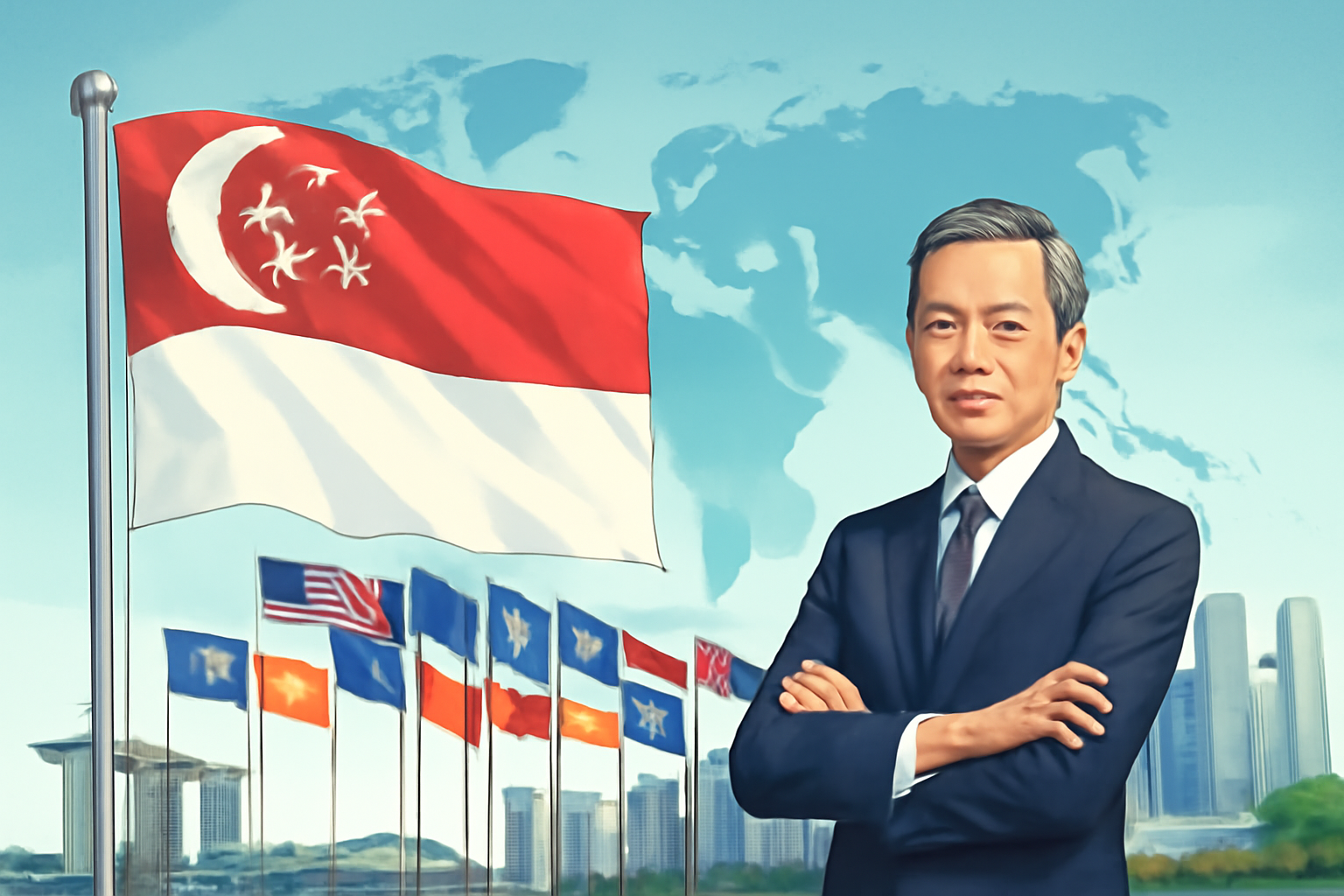
Singapore, despite its small size, has emerged as one of the most influential players in international diplomacy. Its strategic geographical location at the crossroads of major global shipping routes and its robust economy have positioned the island state as a key diplomatic actor in Asia and beyond. While many small states might struggle to project power on the global stage, Singapore has expertly navigated its limited resources to punch far above its weight.
One of the key elements contributing to Singapore’s diplomatic influence is its neutrality and pragmatism. Throughout its history, Singapore has maintained a non-aligned position, refusing to be drawn into regional or global conflicts. This pragmatic approach has allowed Singapore to forge strong relationships with a variety of countries, both in the East and West. The nation’s consistent commitment to international law, free trade, and multilateralism has earned it significant respect globally.
Another key facet of Singapore’s diplomatic success is its focus on economic diplomacy. The nation’s rapid economic growth has provided it with substantial leverage in international negotiations. Singapore’s status as a financial hub, as well as its role as a major port, means that it holds significant economic clout. Through trade agreements and partnerships, Singapore has become a vital part of the global economic network, further enhancing its diplomatic standing. This economic strength is not just reflected in trade; Singapore also plays a critical role in organizations such as the World Trade Organization (WTO) and the Asia-Pacific Economic Cooperation (APEC).
Moreover, Singapore’s role as a mediator and facilitator of dialogue in regional and global disputes has earned it a reputation as a neutral and reliable actor. The city-state has long been involved in fostering peace talks, notably in areas such as the South China Sea and the Korean Peninsula. Singapore’s ability to bring conflicting parties to the negotiating table and facilitate dialogue is one of its most important contributions to global diplomacy. The country has also played a key role in hosting major summits, including the 2018 summit between North Korean leader Kim Jong-un and U.S. President Donald Trump.
Singapore’s foreign policy is driven by a commitment to peace and stability, and this has been reflected in its active participation in international organizations such as the United Nations (UN), the Association of Southeast Asian Nations (ASEAN), and the Commonwealth. As a member of ASEAN, Singapore has been at the forefront of promoting regional cooperation and security. Its diplomatic efforts have helped to shape the direction of ASEAN’s policies and initiatives, particularly in areas such as economic integration, counterterrorism, and climate change.
Despite its small size, Singapore has effectively used its diplomatic acumen to build and maintain a network of strong partnerships across the globe. The country’s diplomatic efforts are built on the principle that small states can make a difference in international relations. By balancing its economic power, diplomatic neutrality, and commitment to multilateralism, Singapore has demonstrated that even small nations can exert significant influence on the world stage.