






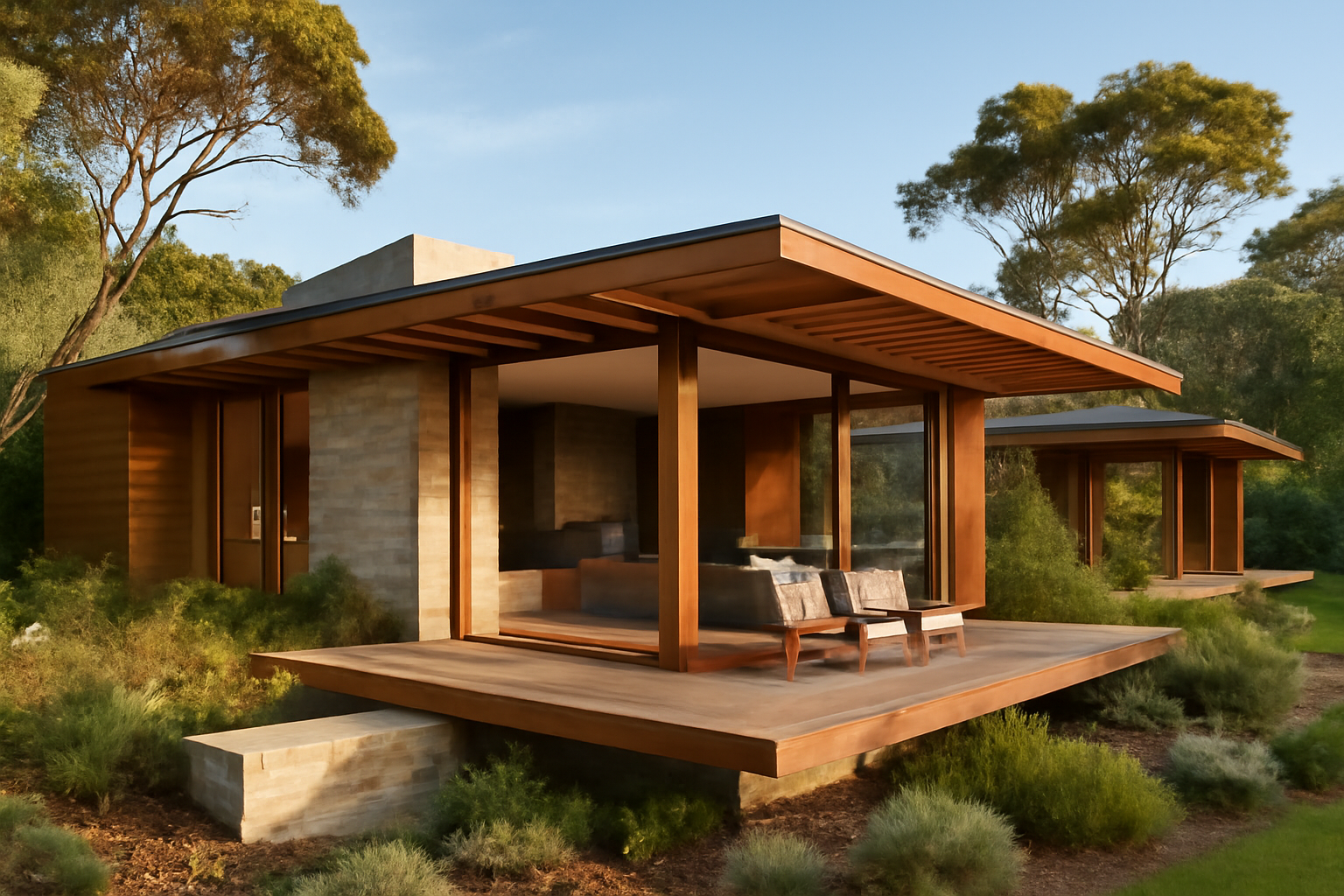
Australian architecture stands as a remarkable testament to the seamless fusion of contemporary design with the natural world. This unique blend not only enhances the aesthetic appeal of buildings but also promotes sustainability, environmental awareness, and a connection to the land. Modern Australian architects have developed a distinct style that integrates elements of nature into their structures, a feature influenced by the country’s diverse landscapes, climates, and cultural heritage.
One of the most prominent characteristics of Australian architecture is the strong emphasis on using natural materials. Timber, stone, and glass are commonly incorporated into modern designs to create buildings that feel both contemporary and rooted in nature. For example, many homes are designed with large glass windows to allow for maximum natural light, blurring the boundaries between the indoors and the outdoors. This design concept not only fosters a sense of openness but also minimizes the need for artificial lighting during the day, contributing to energy efficiency.
In cities like Sydney and Melbourne, a growing number of buildings are being constructed with sustainable materials that reflect the country’s commitment to environmental stewardship. The use of solar panels, green roofs, and rainwater harvesting systems has become commonplace. This forward-thinking approach to architecture ensures that structures can coexist with the environment in a way that is both functional and eco-friendly. Architects are increasingly seeking to design homes and public buildings that respond to the harsh Australian climate while reducing their environmental impact.
The integration of outdoor living spaces is another hallmark of Australian architecture. Many homes feature large decks, patios, or courtyards that encourage residents to embrace the natural surroundings. These spaces are designed to be an extension of the home, blending seamlessly with the landscape. The influence of Australia’s outdoor lifestyle is evident in these designs, where residents spend a significant amount of time outdoors, whether entertaining guests or simply enjoying the beauty of nature.
The connection between architecture and nature is also deeply rooted in the cultural context of Australia. Indigenous Australian cultures have long had a deep respect for the land, and this reverence has been reflected in modern design practices. In fact, many contemporary architects look to Aboriginal art and traditions for inspiration. The integration of symbolic elements, such as patterns and motifs inspired by the landscape, pays homage to Australia’s rich cultural history while reinforcing the connection between people and the environment.
The coastal regions of Australia, such as the Great Barrier Reef and the beaches of Western Australia, have also influenced the development of architecture in these areas. Coastal homes often feature open-plan designs that take advantage of the surrounding views, incorporating wide verandas and large windows that invite the outdoors in. In these homes, natural ventilation is key, allowing the cool sea breeze to circulate through the space, reducing reliance on air conditioning and promoting a healthier indoor environment.
Australian architecture is also distinguished by a spirit of innovation. With the country’s architects constantly pushing the boundaries of design, new materials and techniques are being used to create stunning, futuristic structures that remain in harmony with the environment. From the undulating, organic shapes of buildings to the integration of smart technologies, the architecture of Australia continues to evolve, blending the old and the new in ways that are both exciting and sustainable.
Ultimately, the architectural landscape of Australia reflects a deep understanding of the relationship between design, the environment, and culture. By combining modern materials, innovative techniques, and a profound respect for nature, Australian architects have created a distinctive style that is both forward-thinking and grounded in the natural world.