






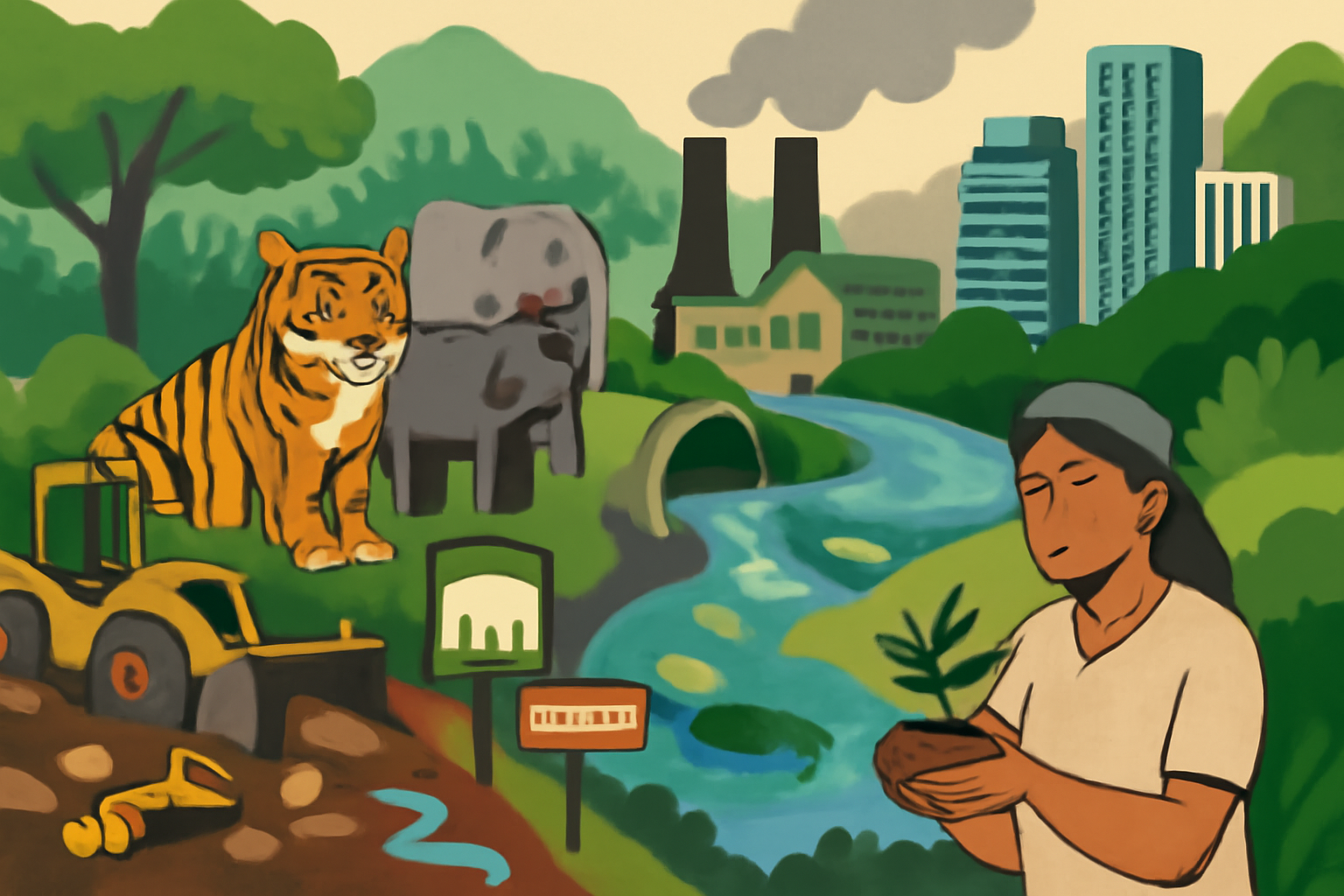
Malaysia, known for its rich biodiversity and lush rainforests, is facing a series of environmental challenges that threaten its natural heritage. From deforestation to pollution, the nation’s ecosystems are under increasing pressure. However, there have been significant conservation efforts underway to protect the environment, though much more remains to be done.
Deforestation: A Growing Concern
One of the most pressing environmental issues in Malaysia is deforestation. The country’s vast rainforests, home to numerous unique species, are being cleared for agricultural purposes, especially palm oil plantations. Malaysia is one of the largest producers of palm oil, and while this industry contributes significantly to the economy, it has severe ecological consequences. Deforestation not only reduces biodiversity but also affects climate regulation, as forests act as carbon sinks.
Efforts to combat deforestation include the establishment of protected areas and national parks. The Malaysian government has implemented stricter laws to regulate logging and land conversion, but enforcement remains challenging. Additionally, there is a growing movement toward sustainable palm oil production, with companies committing to certified sustainable palm oil (CSPO) standards.
Pollution and Waste Management
Malaysia’s rapid industrialization and urbanization have also led to an increase in pollution. Air and water pollution are major concerns, particularly in urban areas. Industrial waste, improper disposal of plastics, and untreated sewage contribute to environmental degradation. The country’s rivers, once pristine, are now polluted with heavy metals and chemicals, affecting both human and wildlife health.
To address these issues, the Malaysian government has introduced various waste management initiatives and pollution control measures. The introduction of a nationwide plastic ban in some states and campaigns promoting recycling are steps in the right direction. However, stricter enforcement and public awareness are crucial for these measures to be effective.
Conservation Efforts and Sustainability Initiatives
Conservation initiatives in Malaysia have gained traction in recent years, with both government and non-governmental organizations (NGOs) playing key roles. The establishment of wildlife sanctuaries and marine parks has helped protect endangered species like the Malayan tiger, orangutan, and rhinoceros. Additionally, the Malaysian Palm Oil Certification Council (MPOCC) works towards promoting sustainable palm oil practices.
Sustainable tourism also plays a role in conservation. Eco-tourism in Malaysia allows tourists to experience the country’s natural beauty while supporting conservation initiatives. By educating the public and involving local communities in conservation efforts, Malaysia hopes to strike a balance between development and environmental protection.
Conclusion
While Malaysia faces significant environmental challenges, the concerted efforts to protect its natural resources offer hope. Through stronger regulations, innovative solutions, and public involvement, Malaysia can continue to protect its rich biodiversity and ensure a sustainable future.