






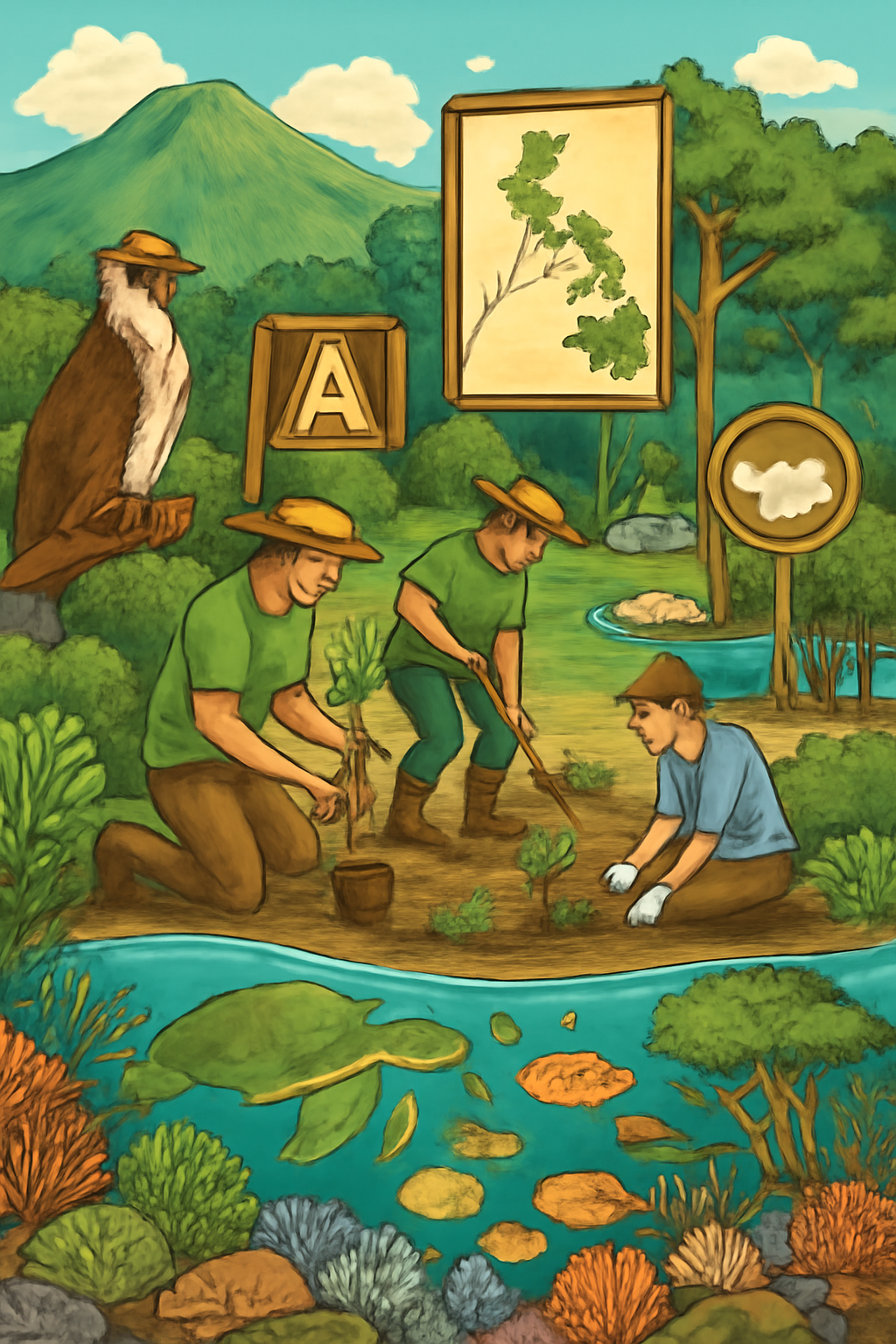
The Philippines, an archipelago in Southeast Asia, is renowned for its rich biodiversity, containing some of the most diverse ecosystems in the world. However, rapid urbanization, deforestation, and illegal fishing are threatening the country’s natural heritage. In response, the Philippine government and various organizations have ramped up conservation initiatives aimed at preserving its unique environment.
One of the significant conservation efforts in the Philippines is the creation of protected areas such as national parks, wildlife reserves, and marine protected areas. The Taal Volcano Protected Landscape and the Puerto Princesa Underground River are among the most famous natural wonders in the country that are now under stringent protection. These areas are essential not only for maintaining biodiversity but also for sustaining local economies that rely on eco-tourism.
Additionally, the government has made strides in reforestation programs. The National Greening Program (NGP), launched in 2011, is one of the largest reforestation projects in the country. The NGP aims to rehabilitate denuded forests and enhance forest cover across the archipelago. Through this program, millions of trees have been planted, contributing to carbon sequestration and improving watershed management.
Moreover, several organizations are actively involved in marine conservation efforts, particularly in coral reef protection. The Philippines has one of the world’s most diverse marine ecosystems, but illegal activities such as blast fishing and dynamite fishing continue to pose a significant threat to coral reefs. To counter this, the Department of Environment and Natural Resources (DENR) works alongside non-governmental organizations (NGOs) to implement sustainable fishing practices and regulate marine biodiversity protection.
On the local level, communities are encouraged to take part in environmental protection. The implementation of community-based forest management (CBFM) programs empowers local residents to actively participate in forest conservation while benefiting from the sustainable use of forest resources.
Despite these efforts, challenges remain. Climate change, particularly the rising sea levels and increased intensity of typhoons, has exacerbated environmental degradation. Nevertheless, the Philippines remains steadfast in its commitment to protecting its natural resources, recognizing that its environmental health is closely tied to the well-being of its people.