





Singapore is a city-state known for its unique blend of modernity and rich cultural heritage. As a global financial hub and one of the most developed countries in Southeast Asia, it is often seen as a model of urban planning and progress. However, beneath the shiny skyscrapers and state-of-the-art infrastructure lies a rich cultural fabric that continues to thrive. The harmonious coexistence of tradition and modernity defines much of Singapore’s social life, shaping how its residents live, interact, and celebrate their diverse heritage.
A Melting Pot of Cultures
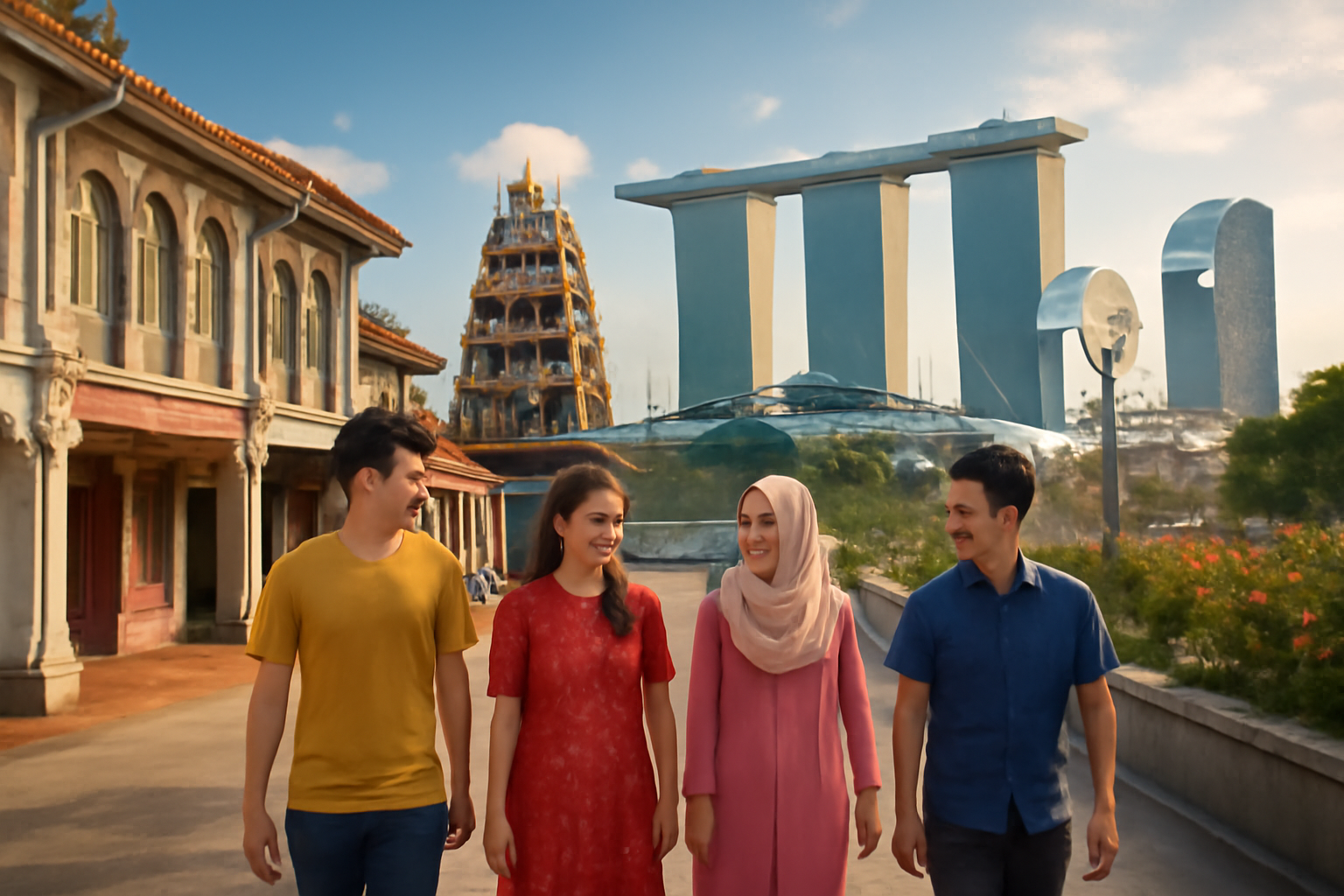
One of the standout features of Singapore is its multicultural society. The country is home to various ethnic groups, including the Chinese, Malays, Indians, and others, who have each contributed their own traditions, cuisines, festivals, and languages to the social landscape. This multiculturalism is a cornerstone of the nation’s identity, and it is celebrated through national events like the multi-ethnic Lunar New Year, Hari Raya Puasa, Deepavali, and Christmas. These celebrations are observed with great enthusiasm, bringing together people from different backgrounds to celebrate their shared experiences.
Singaporeans often live in harmony despite their diverse cultural practices. This can be attributed to the nation’s strong policies on racial and religious harmony. The government ensures that laws, education, and social norms encourage integration while preserving each culture’s unique contributions. For instance, the preservation of traditional Chinese, Malay, and Indian communities within specific districts, such as Chinatown, Little India, and Kampong Glam, allows visitors and locals to appreciate the history and customs that have shaped the nation.
Modern Urban Development
While tradition remains deeply embedded in Singaporean society, modernity is equally influential. Singapore is renowned for its advanced technology, sustainable architecture, and cutting-edge infrastructure. The city’s skyline is dotted with futuristic buildings such as the Marina Bay Sands, Gardens by the Bay, and the Jewel Changi Airport, all of which showcase the city’s commitment to blending nature with innovation.
Despite its modern urbanization, Singapore never loses sight of its cultural heritage. The government has made concerted efforts to preserve historical buildings, such as the Raffles Hotel and the National Museum, while integrating them into the modern cityscape. Furthermore, there is a conscious effort to maintain green spaces in the city. The famous Gardens by the Bay, for example, is a testament to Singapore’s ability to incorporate nature into a high-tech, modern environment.
Social Norms and Values
Social life in Singapore is also influenced by a strong sense of respect for both traditional values and modern ideals. Family is at the heart of Singaporean society, with respect for elders being an integral part of the culture. At the same time, Singapore is a global city where professionalism, innovation, and independence are highly valued, particularly in the workplace. This creates a dynamic balance where people can honor their heritage while embracing the values of a modern, fast-paced society.
Education plays a key role in this balance. Singapore’s educational system emphasizes both academic achievement and character development. Students are taught the importance of respecting diversity, and at the same time, they are prepared to succeed in a competitive global environment. Singaporeans are encouraged to strike a balance between their individual ambitions and their cultural responsibilities, fostering a society that thrives on both innovation and tradition.
Conclusion
The social life in Singapore is a beautiful reflection of its ability to maintain harmony between the traditional and the modern. The nation’s multiculturalism, combined with its cutting-edge development and respect for its cultural heritage, creates a unique environment where people from diverse backgrounds can coexist, contribute, and thrive. This harmony between tradition and modernity has been a key factor in Singapore’s success and continues to shape its social landscape for generations to come.