






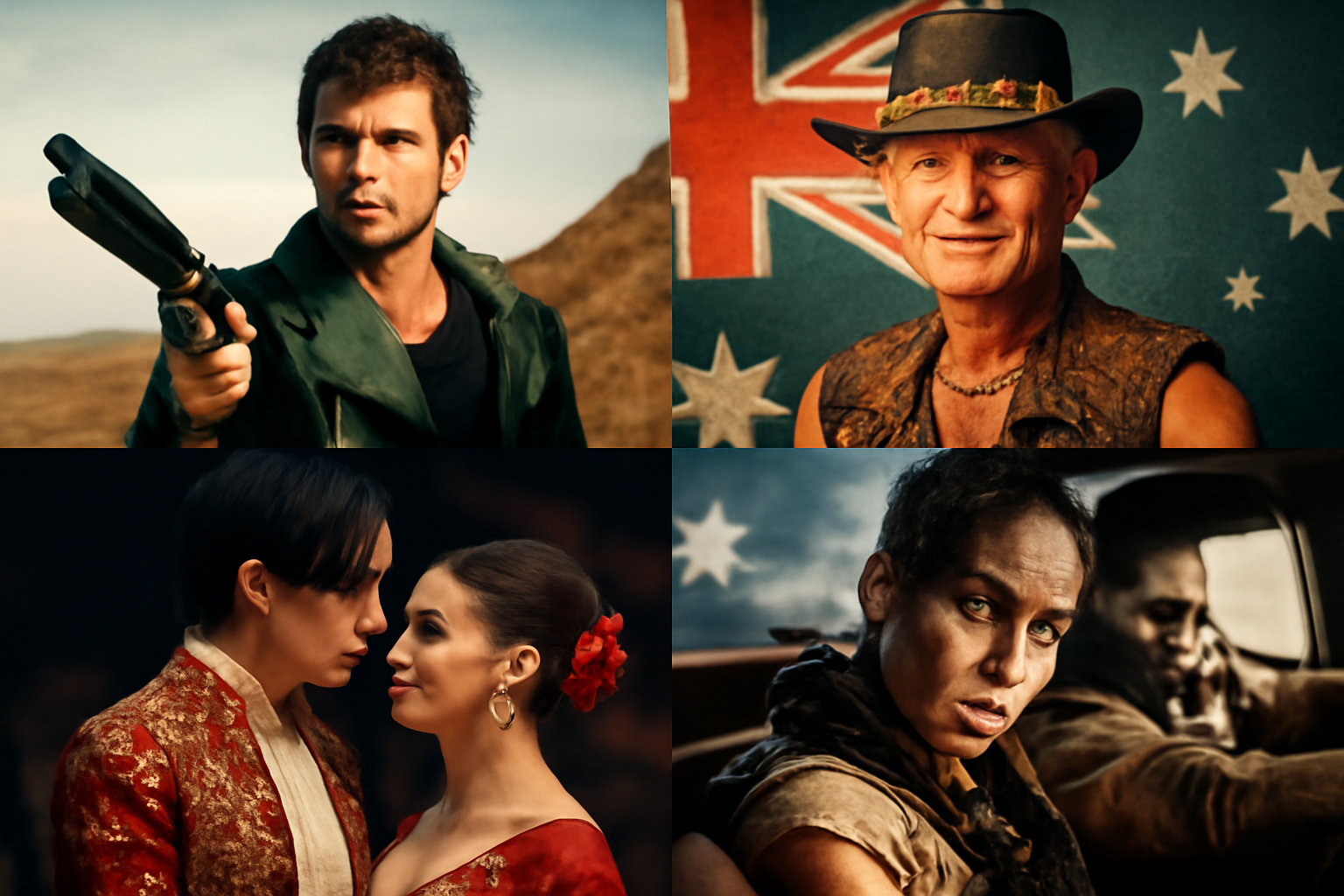
The Australian film industry has carved out a significant niche on the global stage, with a diverse array of films that range from thrilling action-packed blockbusters to deeply emotional dramas. One of the standout examples of Australian cinema’s impact is Mad Max, which revolutionized the action genre and put Australian filmmakers on the map. Directed by George Miller in 1979, the film not only launched Mel Gibson’s career but also became a cultural touchstone that continues to inspire filmmakers worldwide.
The film’s success set the stage for Australian cinema to garner international recognition, and soon after, Australia became known for producing films that combined stunning visuals with innovative storytelling. The 1980s saw a surge in Australian films that explored both local culture and global themes. Titles like Crocodile Dundee (1986), starring Paul Hogan, mixed humor with the outback adventure, attracting global audiences and enhancing Australia’s cinematic reputation.
However, the industry didn’t only thrive in the commercial realm. Australian filmmakers have consistently pushed the boundaries of creative storytelling, focusing on social issues, personal identity, and cultural significance. The 1990s gave rise to a new wave of filmmakers like Baz Luhrmann, whose Strictly Ballroom (1992) became a cult classic and paved the way for his later international success with Romeo + Juliet (1996) and Moulin Rouge! (2001). These films showcased Australia’s talent for blending artistic visuals with compelling narratives, which helped cement the country as a major player in world cinema.
In the 21st century, Australian cinema continues to shine with internationally acclaimed directors like Cate Shortland (Somersault, 2004) and Warwick Thornton (Samson and Delilah, 2009). Furthermore, the Australian film industry has seen a surge of successful collaborations with Hollywood, with films like The Great Gatsby (2013) and The Wolverine (2013) featuring Australian talent both in front of and behind the camera.
More recently, films such as The Babadook (2014) by Jennifer Kent and Lion (2016), directed by Garth Davis, have garnered international acclaim, showcasing the versatility of Australian filmmakers. The Babadook, a psychological horror film, became a critical darling for its profound themes and innovative approach to horror. Meanwhile, Lion, based on a true story, earned several Academy Award nominations and highlighted Australia’s ability to tell deeply emotional and powerful stories with global appeal.
In conclusion, the Australian film industry has evolved from its humble beginnings into a global powerhouse known for its unique voice, talented filmmakers, and ability to blend storytelling with striking visuals. From the dystopian world of Mad Max to modern successes, Australian cinema continues to shape the landscape of global film production and storytelling.