







Education plays a critical role in Malaysia’s national development, with a structured system that aims to provide equal opportunities for all its citizens. The Malaysian education system is divided into several stages: preschool education, primary education, secondary education, and higher education. These stages are designed to prepare students not only with academic knowledge but also with life skills that will help them contribute to the socio-economic growth of the country.
Primary and Secondary Education
Primary education is mandatory and free for all children in Malaysia. Students begin formal education at the age of six and continue until they complete the sixth grade, typically at age 12. The curriculum in primary schools is focused on languages (Bahasa Malaysia, English, and other vernacular languages like Mandarin or Tamil), mathematics, science, arts, and moral education. Secondary education consists of two stages: lower secondary (Form 1 to Form 3) and upper secondary (Form 4 to Form 5). Students are required to sit for the Malaysian Certificate of Education (Sijil Pelajaran Malaysia, SPM) examination at the end of Form 5, which assesses their proficiency in various subjects.
Higher Education
Malaysia also boasts a rapidly expanding higher education sector, which includes both public and private universities. The country’s universities are increasingly becoming attractive destinations for international students due to their affordable tuition fees and strong academic programs. Malaysia’s higher education institutions emphasize research and development, particularly in science, technology, and innovation.
Incorporating Technology into Education
In recent years, the government of Malaysia has introduced several initiatives to modernize the education system by integrating technology into the classroom. One of the most ambitious projects is the “1BestariNet” initiative, which aims to provide high-speed internet access to all schools across the country. This initiative ensures that students and teachers in both urban and rural areas have access to online learning materials, enabling them to stay connected and engaged with global educational trends. The government has also focused on incorporating e-learning platforms and digital textbooks to make learning more interactive and accessible.
The Malaysia Education Blueprint (2013-2025)
One of the most significant reform documents in Malaysian education is the “Malaysia Education Blueprint (2013-2025)”. This blueprint outlines comprehensive strategies to transform the country’s education system, focusing on the quality of teaching, student outcomes, and accessibility to education. It includes plans to enhance teacher training, improve the quality of education in rural areas, and reduce the gap in educational standards between urban and rural schools. The blueprint also stresses the importance of lifelong learning and continuous skill development in response to the evolving job market demands.
Challenges to Overcome
Despite significant strides in improving educational infrastructure, Malaysia still faces challenges that hinder the full potential of its education system. One major issue is the digital divide between urban and rural schools. While schools in urban areas have easy access to technological tools and resources, students in rural regions often face difficulties accessing the internet and modern learning technologies. Moreover, the implementation of technology in classrooms requires continuous professional development for teachers to ensure they are equipped to use these tools effectively.
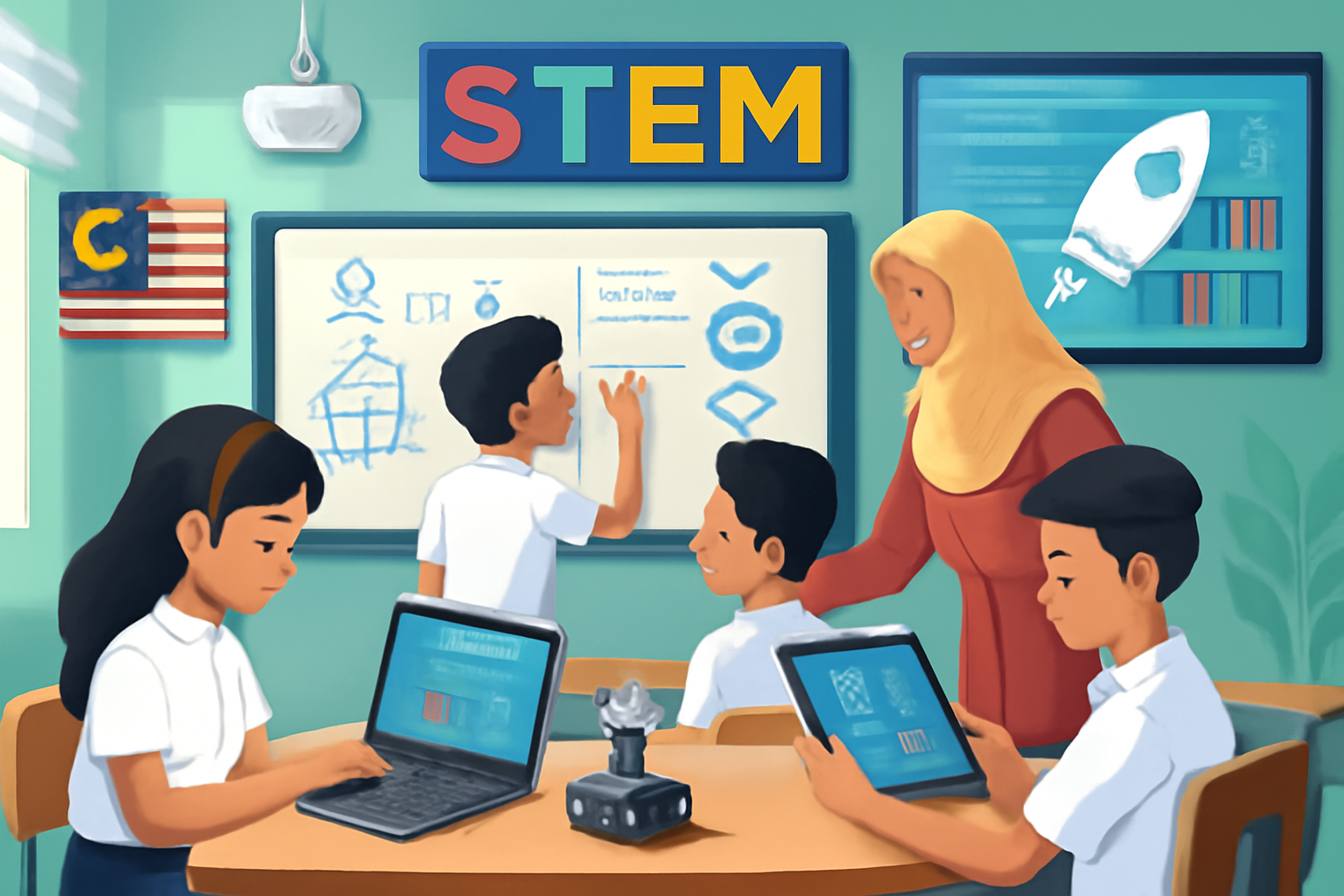
Furthermore, while the push for STEM education is commendable, it has also highlighted disparities between different regions. While students in well-funded urban schools are often provided with ample resources and opportunities in science and technology, rural students may not receive the same quality of education in these fields.
Conclusion
Malaysia’s education system has undergone significant improvements in recent years, with increased focus on technology, teacher training, and STEM education. Despite facing challenges related to digital inequality and regional disparities, the government’s ongoing commitment to innovation through initiatives like the Malaysia Education Blueprint ensures that the country is moving in the right direction to improve educational quality for all students.