






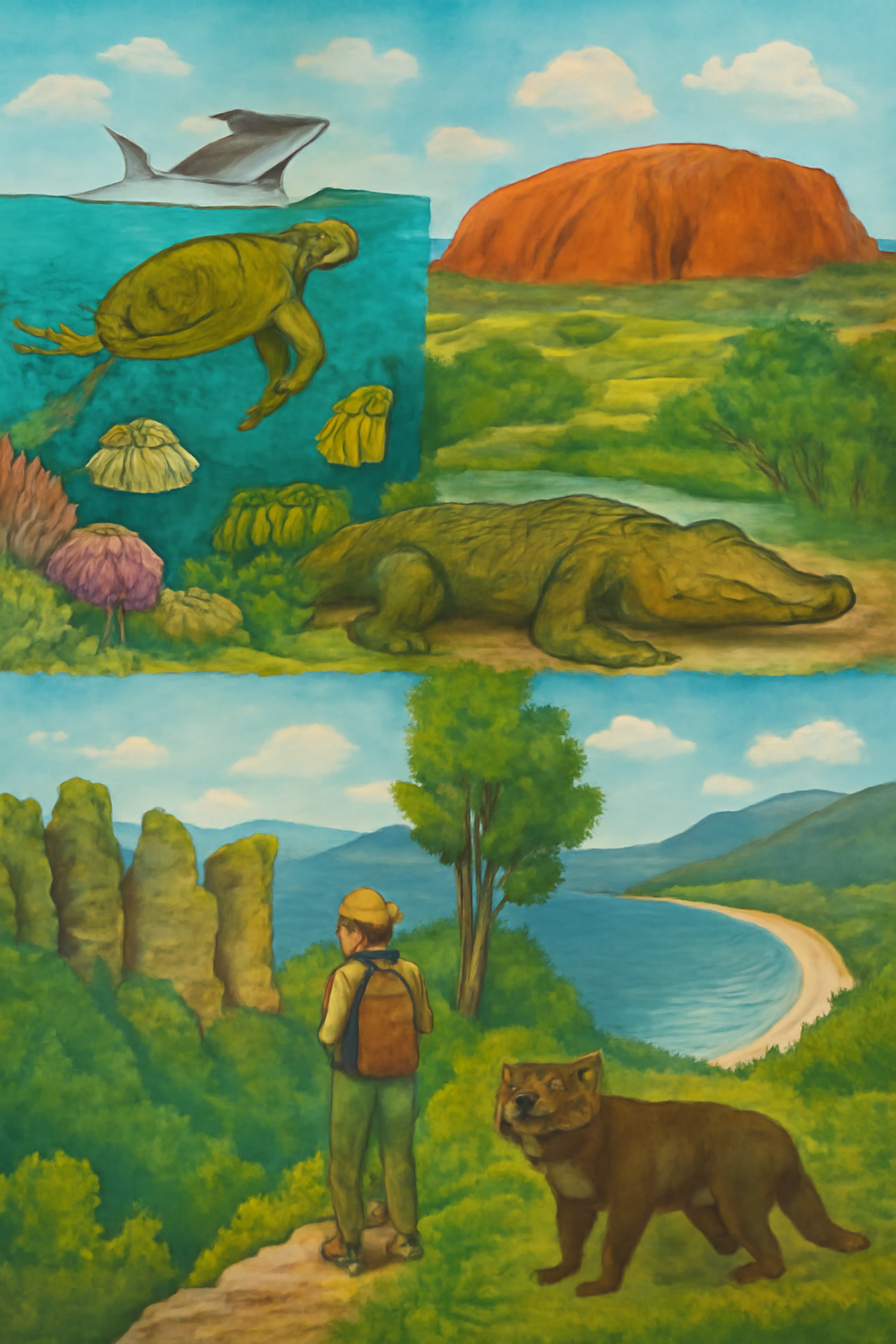
The Great Barrier Reef is one of the world’s most famous natural sites, located off the coast of Queensland, Australia. As the largest coral reef system and the largest living organism on the planet, the Great Barrier Reef stretches over 2,300 kilometers and covers around 344,400 square kilometers. Its extraordinary beauty makes it a prime destination for tourists from around the world who want to witness the wonders of the underwater world.
One of the main attractions of the Great Barrier Reef is its incredible biodiversity. The reef is home to over 1,500 species of fish, 400 species of hard corals, as well as various marine mammals, reptiles, and birds. Species such as sea turtles, humpback whales, and blue whales are commonly seen around the reef, making it a popular spot for divers and marine enthusiasts. The reef is also a top spot for snorkeling, with many locations offering equipment and guided diving tours for visitors.
In addition to diving, visitors can explore the Great Barrier Reef in other ways, such as using submarines or visiting surrounding islands. Islands like the Whitsunday Islands and Fitzroy Island offer stunning natural beauty and diverse wildlife, making them equally magnificent destinations.
However, despite its beauty, the Great Barrier Reef faces significant challenges. One of the largest issues is climate change, which affects ocean temperatures, leading to coral bleaching and the destruction of ecosystems. Additionally, pollution and unmanaged tourism are also threats to the health of the reef.
To protect this ecosystem, the Australian government has implemented strict conservation measures, including regulating tourism and supporting scientific research. Tourists are encouraged to follow environmental guidelines to help preserve the reef’s beauty for future generations.