






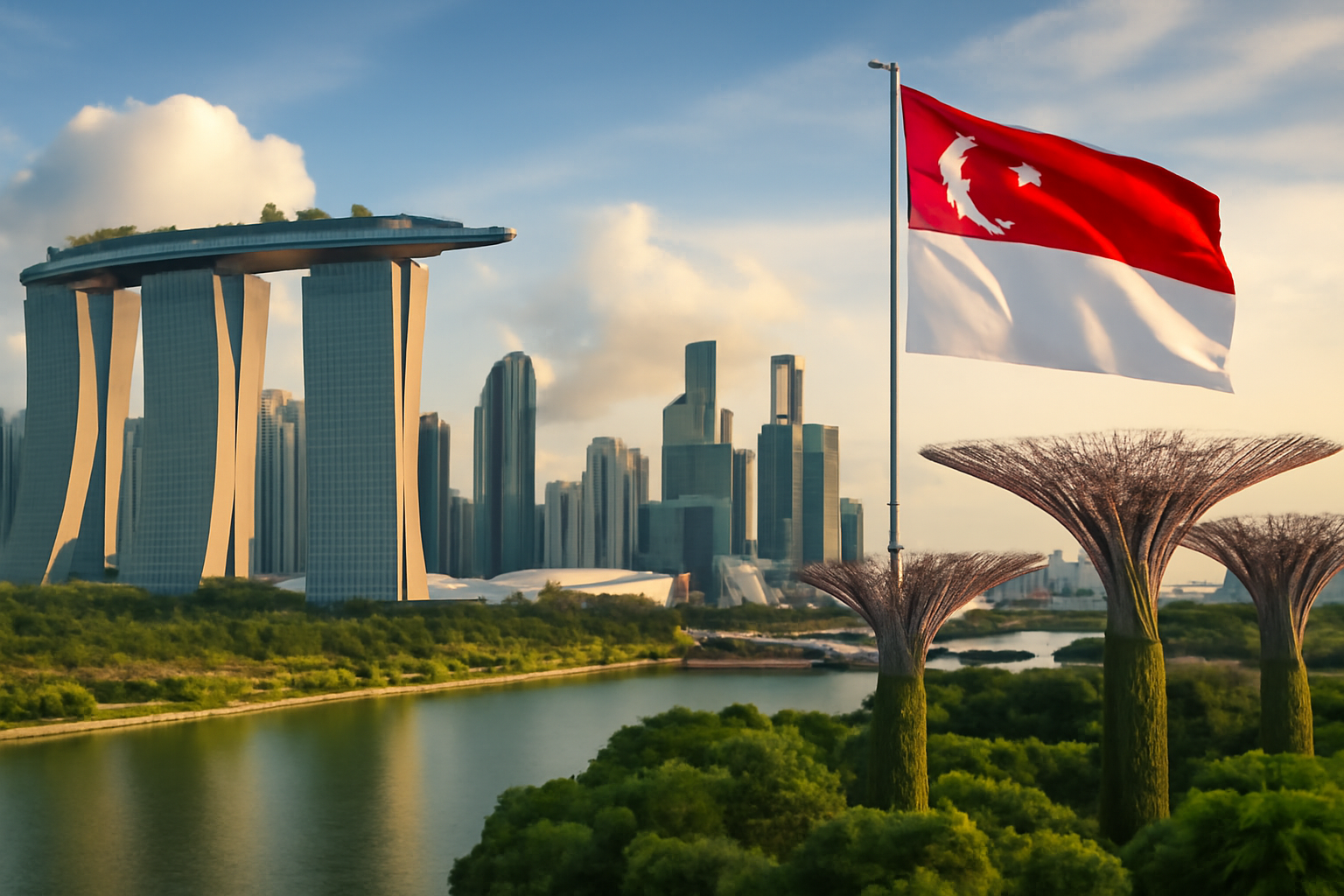
Singapore, a small island nation in Southeast Asia, has long been recognized as one of the world’s most prosperous and dynamic countries. Despite its limited size, Singapore’s global influence and reputation have grown significantly over the years, shaping how people across the globe view the city-state. The perception of Singapore by the international community is shaped by its remarkable transformation from a developing port city into a world leader in various sectors, including finance, technology, and urban planning.
One of the most prominent aspects of Singapore’s global image is its economic success. The country boasts one of the highest GDP per capita in the world and has maintained consistent economic growth for decades. This has earned Singapore a reputation as a hub for global business, attracting multinational corporations and entrepreneurs from all corners of the globe. The city-state’s well-established financial services sector, thriving industries, and high-tech economy have positioned it as a model for other developing nations to emulate.
Furthermore, Singapore’s exceptional infrastructure and urban planning have also contributed to its global standing. The country is renowned for its cleanliness, efficient public transport systems, and impressive skyline, which reflects its focus on creating a sustainable and liveable environment. Its reputation for having low crime rates and a high standard of living makes it an attractive destination for expatriates and global professionals seeking a safe and stable environment to live and work in.
However, Singapore’s image is not solely shaped by its economic success and urban development. The country’s political system also plays a role in how it is perceived worldwide. Known for its strong, centralized government led by the People’s Action Party (PAP), Singapore is often seen as a model of political stability. While this has contributed to the country’s prosperity, it has also led to criticisms of limited political freedom and restrictions on civil liberties. Critics argue that the tight control over the media and opposition parties stifles democratic expression, creating a tension between the nation’s economic success and its political landscape.
Singapore’s approach to multiculturalism and diversity is another key factor in shaping its global image. With a population made up of various ethnic groups, including Malays, Chinese, Indians, and others, Singapore has successfully promoted harmony and integration. This commitment to diversity is reflected in its policies on education, public housing, and employment, which aim to create a cohesive society that celebrates different cultures. Globally, Singapore is often viewed as a model of multicultural coexistence in an increasingly globalized world.
On the international stage, Singapore is also known for its diplomatic neutrality and its role as a key player in regional and global affairs. As a member of various international organizations, including the United Nations, the World Trade Organization, and ASEAN, Singapore has managed to balance its national interests with its commitment to global cooperation. The country is widely regarded as a proponent of free trade and global connectivity, advocating for policies that promote peace and stability in the Asia-Pacific region.
In summary, Singapore’s global image is a reflection of its unique combination of economic success, political stability, multicultural integration, and international diplomacy. Despite its small size, the country’s influence on the world stage continues to grow, and its model of development serves as an example for other nations striving for progress. Through its commitment to innovation and inclusive growth, Singapore has firmly established itself as one of the most respected nations in the world.