






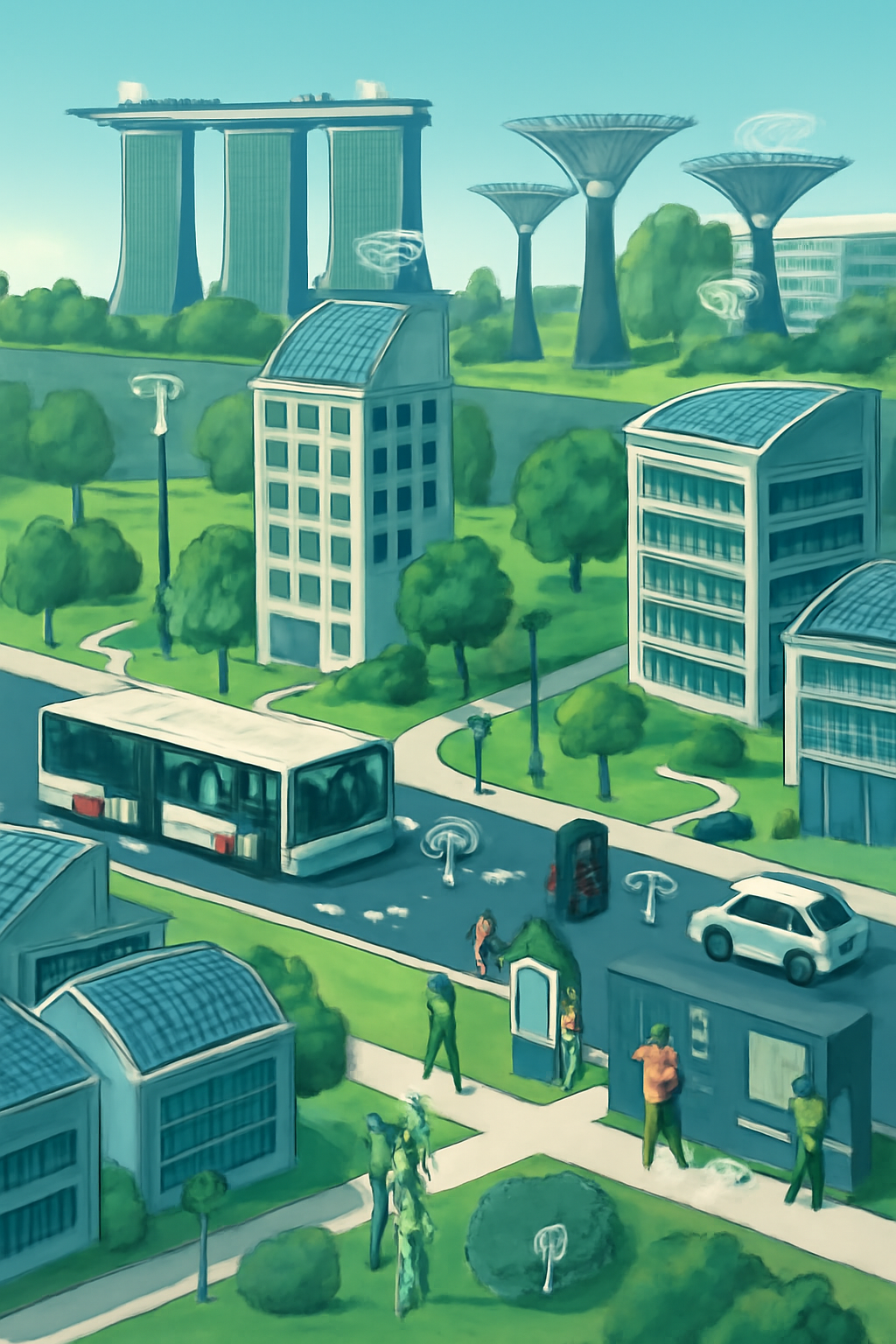
In recent years, Singapore has positioned itself as a global leader in smart city initiatives, showcasing a successful integration of technology into daily life. The nation’s commitment to creating a sustainable, efficient, and interconnected environment is evident in its efforts to embed cutting-edge technology into both public and private spaces. From autonomous vehicles to intelligent infrastructure, Singapore’s urban ecosystem offers a glimpse into the future of cities worldwide.
One of the cornerstone projects of Singapore’s smart city development is its comprehensive network of sensors and data collection systems, which are designed to monitor everything from traffic flow to environmental conditions. These systems enable the government to make data-driven decisions that improve the city’s infrastructure, reduce congestion, and optimize resources. For instance, the implementation of intelligent traffic lights and congestion monitoring systems has led to a decrease in traffic-related delays and emissions.
Public transportation is another area where technology is making a significant impact. The city’s Mass Rapid Transit (MRT) system is integrated with smart ticketing technology, allowing passengers to travel with ease. Additionally, Singapore’s Bus and MRT systems use real-time data to provide passengers with accurate wait times and efficient travel routes. This data also helps in streamlining operations, ensuring that buses and trains run on time.
Smart homes in Singapore are transforming how residents live, making everyday tasks easier and more convenient. Through the use of Internet of Things (IoT) devices, people can control everything from lighting to security systems via their smartphones. The government has partnered with developers to build residential projects that incorporate these technologies, ensuring that homes are energy-efficient and conducive to modern living.
The push towards sustainability is also a significant feature of Singapore’s smart city initiatives. Technologies such as smart grids and renewable energy solutions have been integrated into the city’s infrastructure to reduce energy consumption and carbon emissions. Solar panels are now a common sight on rooftops, and the city has invested in developing green building standards to ensure that future constructions are eco-friendly.
Lastly, the city’s public spaces have also been enhanced with technology, allowing residents to engage with their surroundings in new ways. For example, sensors in public parks monitor air quality and can provide real-time data to users through mobile apps. Additionally, digital kiosks and interactive displays offer information on local events, transportation schedules, and other useful services.
In conclusion, Singapore’s journey to becoming a smart city highlights the transformative power of technology in enhancing urban living. The integration of cutting-edge tools in transportation, infrastructure, homes, and public spaces has created a more efficient, sustainable, and convenient environment for residents. As the city continues to evolve, its efforts serve as a model for other cities around the world looking to incorporate technology into their urban planning.