





The history of Malaysia began with the Malay kingdoms that played a central role in the development of culture, politics, and economics in Southeast Asia. From powerful kingdoms to the period of colonization, this long journey culminated in the declaration of independence in 1957.
The Malay Kingdoms and Their Glory
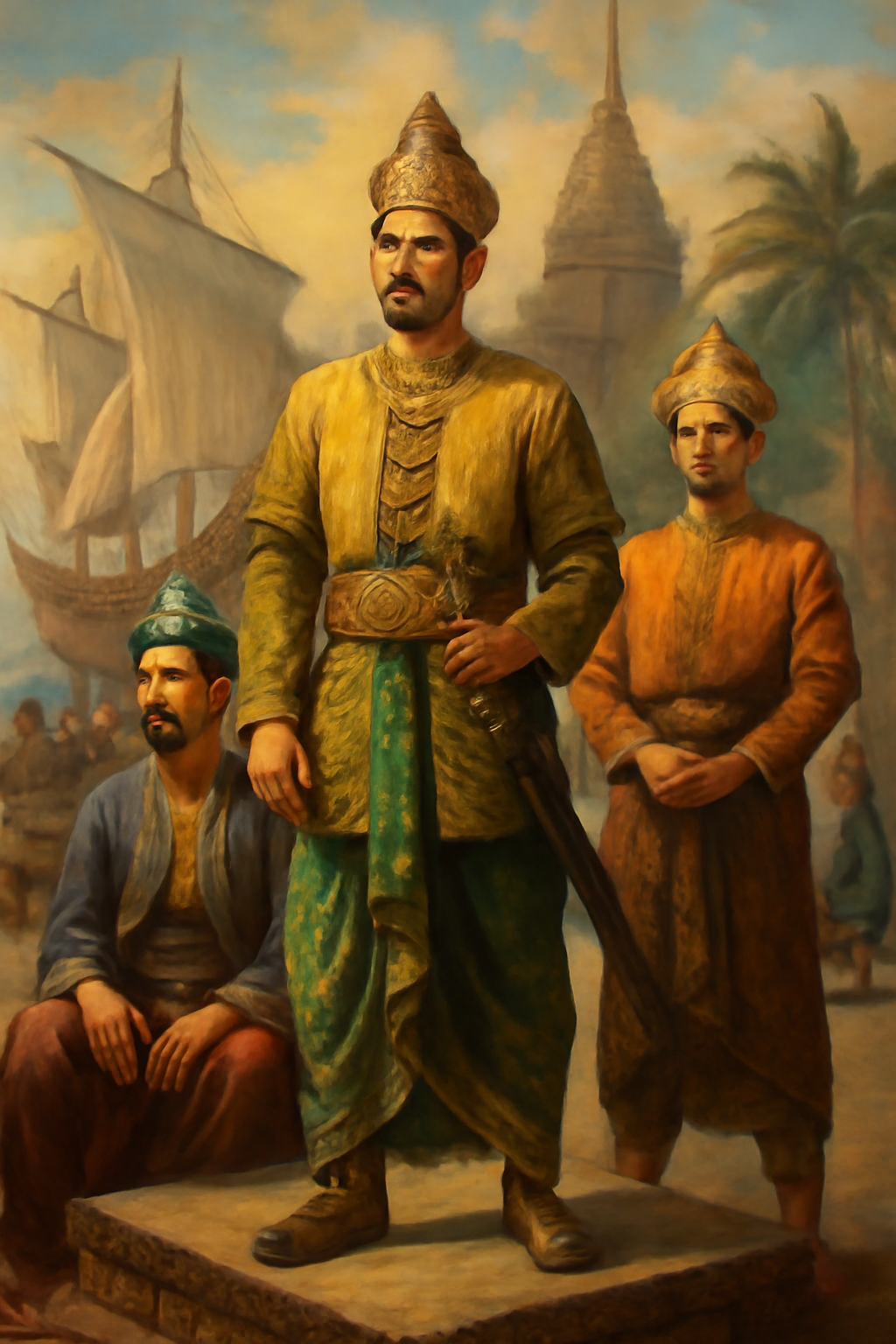
In the 7th century, the Srivijaya kingdom, centered in Sumatra, began to influence the Malay Peninsula. This kingdom was renowned as a major trade hub and spread Buddhism throughout the region. Over time, the Malacca Sultanate emerged in the 15th century, dominating maritime trade. Malacca became an important international trade center, and Islam flourished under the Sultanate, spreading throughout Southeast Asia.
The Era of Colonization and Its Impact
With the fall of Malacca to the Portuguese in 1511, the era of European colonization in this region began. The Portuguese were followed by the Dutch, and eventually, the British in the 18th century. The British colonial rule reshaped the economy of Malaya by establishing large-scale plantations and mining industries, which required labor from India and China, shaping Malaysia’s multiracial society.
The Path to Independence
After World War II, the growing nationalist movement led by figures like Tunku Abdul Rahman began to push for independence. Independence was finally achieved on August 31, 1957, when Malaysia gained freedom from British rule. This was the result of tireless negotiations and the unity of various ethnic groups in Malaysia.
Conclusion
The history of Malaysia, from the Malay kingdoms to independence, is a long journey filled with challenges and transformations. Despite numerous obstacles, Malaysia’s successful pursuit of independence laid the foundation for the modern nation we know today.